Axis Powers Occupy Yugoslavia, Reshape Geopolitics in Southeastern Europe during World War II
Montenegro
Political
Military
5 min read
Updated By: History Editorial Network (HEN)
Published:
Updated:
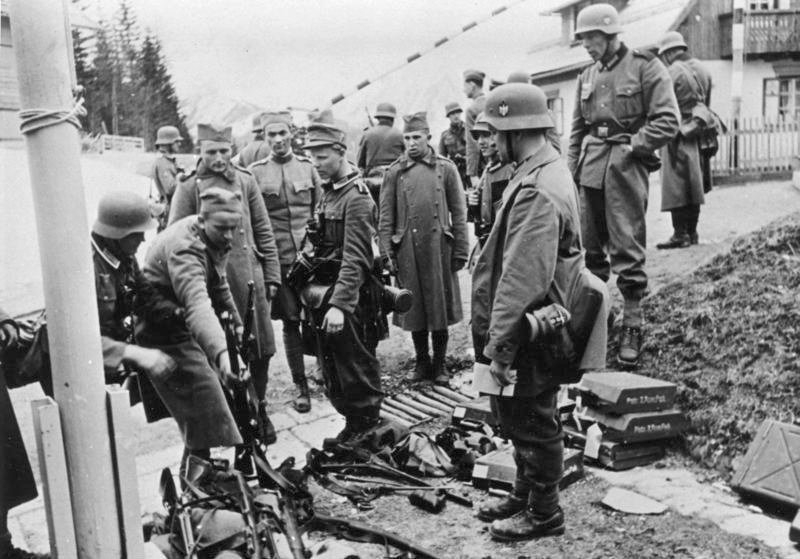
The Axis powers, including Nazi Germany, Fascist Italy, and their allies, undertook the military occupation of the Kingdom of Yugoslavia. This momentous event was part of a concerted effort to extend Axis control over Southeastern Europe during World War II. The occupation strategically altered Yugoslavia's geopolitical landscape and aimed to consolidate Axis military and economic influence.
Nazi Germany orchestrated the invasion to secure its southern flank and ensure safe passage through the Balkans for its operations against Greece and the Soviet Union. Italy, an Axis ally, also sought to expand its influence over the Adriatic region. The invasion force comprised a significant number of divisions, equipped with modern armaments and supported by powerful air units. The rapid and coordinated assault quickly overwhelmed Yugoslav defenses, leading to the collapse of the Yugoslav Royal Army.
The Kingdom of Yugoslavia, including Montenegro, was partitioned and occupied by Axis forces. This invasion had dire consequences for Montenegro. The region was subjected to direct military administration and was carved into smaller, heavily controlled sectors. The occupying forces imposed strict curfews, censored media, and engaged in widespread arrests of those suspected of resistance.
The occupation faced opposition from local partisans who formed resistance groups, initiating a long and brutal struggle against the occupying forces. The armed resistance in Montenegro became part of a wider Yugoslav partisan movement, significantly contributing to the overall effort against Axis forces. Civilians in Montenegro experienced severe hardships, including disruption of everyday life, economic instability, and the destruction of infrastructure.
Casualties among the local population rose sharply due to military actions, reprisals, and the imposition of harsh living conditions. The occupation catalyzed social and political changes, laying the groundwork for future internal conflicts and contributing to the development of Yugoslavia's post-war socialist state.
Key themes from this event include military strategy, occupation, resistance, and the socio-political impact on Montenegro.
#AxisOccupation #WorldWarII #YugoslaviaInvasion #Montenegro #OccupyingForces #ResistanceMovement #MoofLife

Explore the Life Moments of
 AI Twin