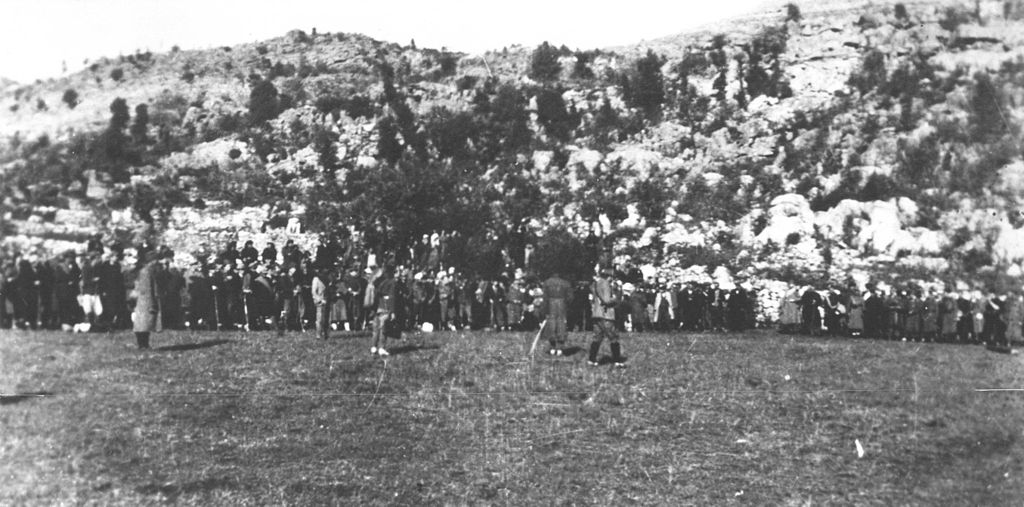
Italian Counter-Offensive Ends the July Uprising in Montenegro
Montenegro
Political
Military
4 min read
Updated By: History Editorial Network (HEN)
Published:
Updated:
The July Uprising in Montenegro, which erupted on July 13, 1941, was one of the earliest and most widespread armed revolts against Axis occupation during World War II. Led by communists and nationalists, the rebellion quickly overwhelmed the Italian occupation forces, liberating vast areas of the country within weeks. Towns and villages fell to the insurgents, and for a moment, Montenegro seemed to have freed itself from foreign rule.
However, the initial success of the uprising soon gave way to brutal retaliation. By August 1941, the Italian Army, reinforced with thousands of troops, launched a massive counteroffensive. Despite fierce resistance, the rebels lacked the firepower and resources to withstand the full force of the Italian military. The occupiers used scorched-earth tactics, mass arrests, and summary executions to crush the rebellion. Entire villages were burned, civilians were targeted, and the Italians reasserted control step by step.
The final blow came in December 1941, when internal divisions between the communist and nationalist factions further fractured the resistance. The Italians exploited these divisions, offering amnesty to some nationalist leaders who were willing to surrender. This betrayal weakened the uprising, and by the end of the year, organized resistance had collapsed.
Despite its failure, the July Uprising left a lasting legacy. It proved that Montenegrins were willing to fight against fascist rule, and it laid the groundwork for the future Partisan movement that would continue resisting Axis forces until the final liberation of Yugoslavia in 1945.
#MomentsOfLife #MoofLife #MontenegroHistory #WWII #JulyUprising #Resistance

Explore the Life Moments of
 AI Twin