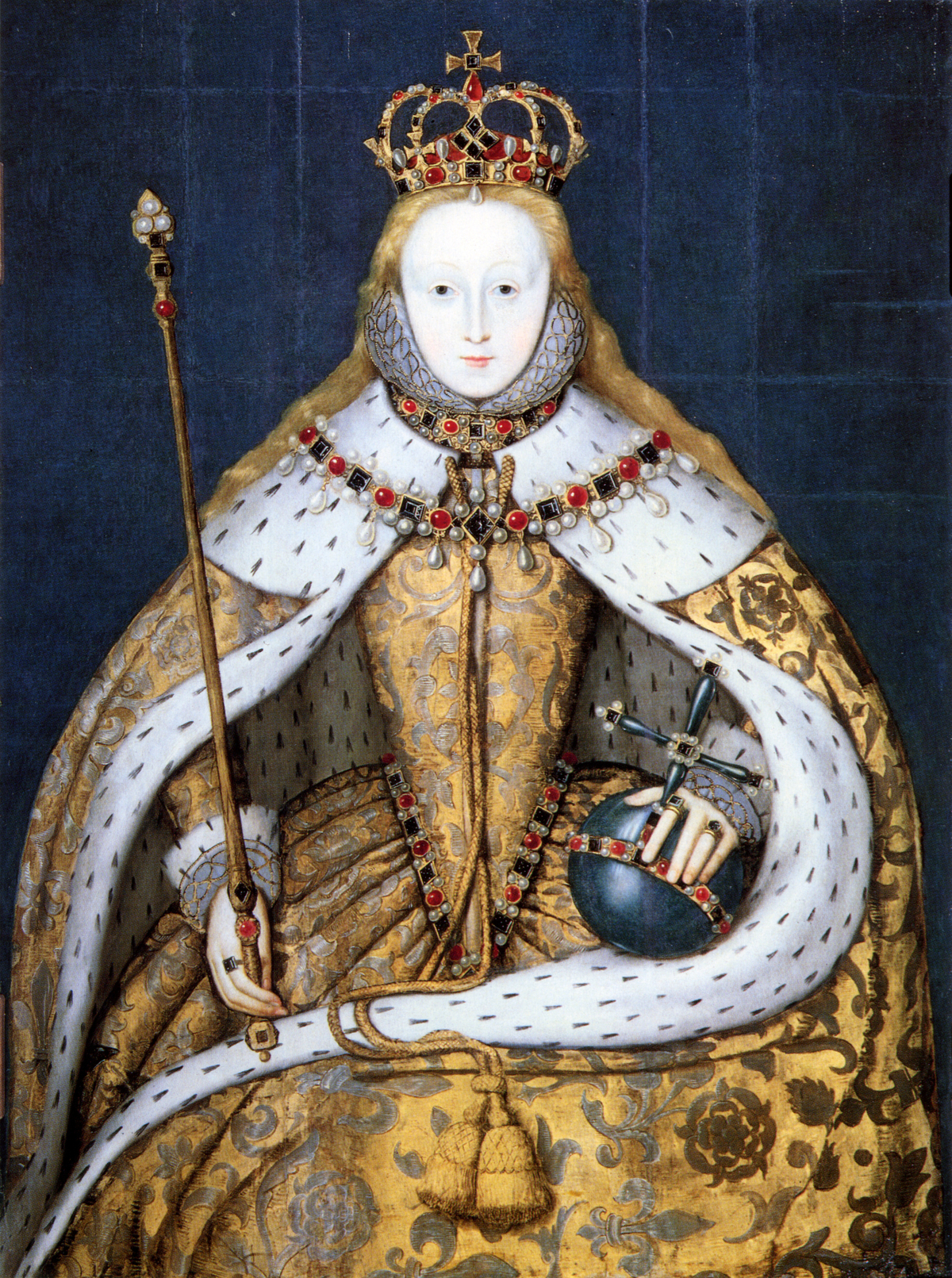
The Legacy of Queen Elizabeth I
United Kingdom
Cultural
3 min read
Updated By: History Editorial Network (HEN)
Published:
In 1559, Elizabeth I ascended to the British throne, marking a pivotal moment in history. The daughter of Henry VIII and Anne Boleyn, Elizabeth faced numerous challenges upon her coronation. She inherited a divided kingdom, both religiously and politically, with tensions running high between Catholics and Protestants. Despite this, Elizabeth's reign would come to be known as the Elizabethan era, characterized by a flourishing of arts, exploration, and military victories.
During her reign, Elizabeth I navigated treacherous political waters, often relying on her astute diplomatic skills to maintain stability. She established the Elizabethan Religious Settlement, which aimed to strike a balance between Catholic and Protestant practices. This decision helped to unify the country and bring about a sense of religious tolerance.
Elizabeth's rule also saw a golden age of English literature with the works of William Shakespeare, Christopher Marlowe, and Edmund Spenser gaining popularity. Additionally, she supported explorers like Sir Francis Drake in their voyages, leading to the expansion of the British Empire.
Overall, Elizabeth I's reign was a transformative period in British history, leaving a lasting legacy on culture, politics, and society. Her ability to navigate complex challenges and foster a period of prosperity and growth solidified her status as one of England's most remarkable monarchs. #ElizabethI #BritishMonarchy #GoldenAge

Explore the Life Moments of
 AI Twin