Microsoft releases Windows 10 Mobile
Location: Global
Mobile Operating Systems
Technology
Software Releases
3 min read
Updated By: History Editorial Network (HEN)
Published:
Updated:
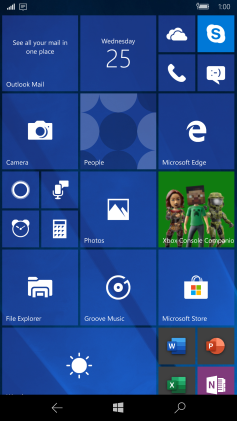
On 20/11/2015, Microsoft released Windows 10 Mobile to manufacturing, marking the completion of the operating system ahead of its availability on new smartphones. The release coincided with the retail launch of the Lumia 950 and Lumia 950 XL, the first devices to ship with Windows 10 Mobile pre-installed. These smartphones were positioned as flagship models designed to showcase the platform’s new features and integration with Windows 10.
Windows 10 Mobile introduced a unified Windows 10 ecosystem across phones, PCs, and tablets, allowing developers to build Universal Windows Platform applications that could run on multiple device types. The operating system also added features such as Continuum for Phones, enabling supported devices like the Lumia 950 and 950 XL to connect to external displays and provide a desktop-style experience. Microsoft also included improvements to notifications, Microsoft Edge as the default browser, and deeper integration with services such as OneDrive and Office.
The Lumia 950 featured a 5.2-inch display and Qualcomm Snapdragon 808 processor, while the Lumia 950 XL included a 5.7-inch display and Snapdragon 810 processor. Both devices supported USB-C connectivity, fast charging, and Windows Hello beta for biometric authentication. The November 2015 release marked Microsoft’s effort to unify its mobile and desktop platforms under Windows 10.
#mooflife
#MomentOfLife
#Windows10Mobile
#Microsoft
#MobileOperatingSystem
#Lumia
#MobileMarketShare
Primary Reference
History of Microsoft

Explore the Life Moments of
 AI Twin