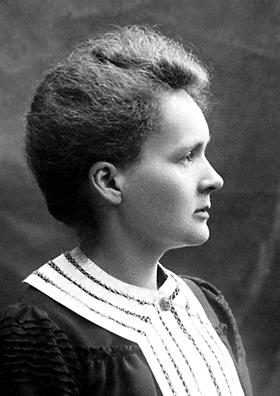
Marie Curie's Nobel Prize: Pioneering Radioactivity and Breakthroughs in Science
Poland
Science
Women in Science
4 min read
Updated By: History Editorial Network (HEN)
Published:
Marie Curie was recognized internationally for her groundbreaking research in radioactivity. She, along with Pierre Curie and Henri Becquerel, was awarded the Nobel Prize in Physics. This recognition was aligned with their extensive work on radiation. Marie Curie’s role involved the discovery and study of radium and polonium, elements pivotal to the field of radioactivity.
Marie Curie's achievement was notable, especially considering the limited opportunities for women in science at the time. The ground she broke allowed for increased acceptance and inspiration for future generations of female scientists. Her research contributed significantly to the understanding of atomic structure and laid the groundwork for various advances in both scientific theory and practical applications, such as cancer treatment through radiotherapy.
This prize was a recognition not only of her individual achievements but also highlighted collaborative scientific efforts. Pierre Curie's work on piezoelectricity and Becquerel's discovery of spontaneous radioactivity were foundational contributions to this field. The accolade underscored the importance of collaborative scientific endeavors and the sharing of knowledge across disciplines.
The receipt of this prize by Marie Curie marked a milestone in science, reinforcing the value of perseverance and dedication in multidisciplinary research and encouraging a more inclusive scientific community.
#MarieCurie #ScientificAchievement #Physics #NobelPrize #WomenInScience #MoofLife
Primary Reference
The Nobel Prize in Physics 1903 - NobelPrize.org
Explore the Life Moments of
 AI Twin