Marie Curie: Pioneer of Science and Trailblazer for Women in STEM
Poland
Science
4 min read
Updated By: History Editorial Network (HEN)
Published:
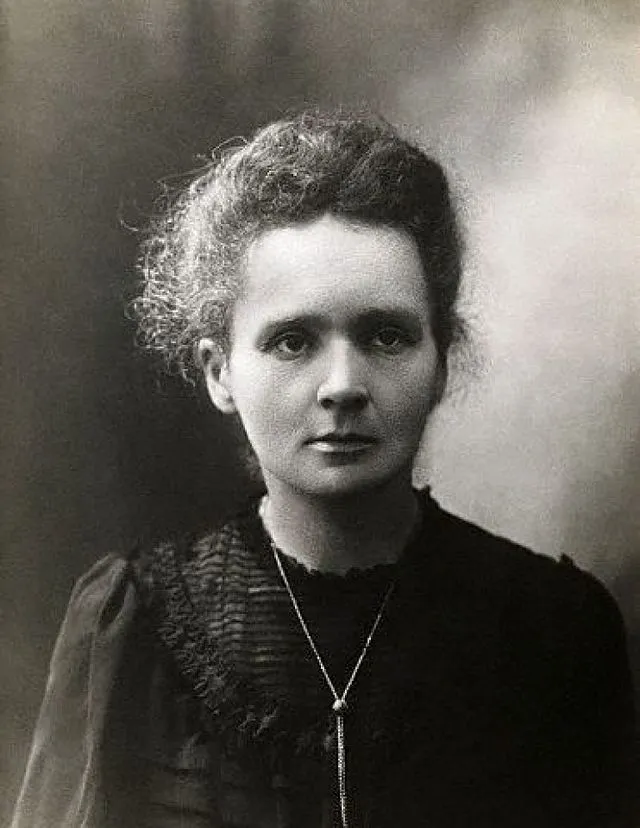
Marie Curie, a pioneering physicist and chemist, made groundbreaking contributions to the fields of radioactivity and chemistry. She was the first woman to win a Nobel Prize and the only woman to win it in two different scientific fields. Her husband, Pierre Curie, was an accomplished physicist as well, and together, they discovered the elements polonium and radium.
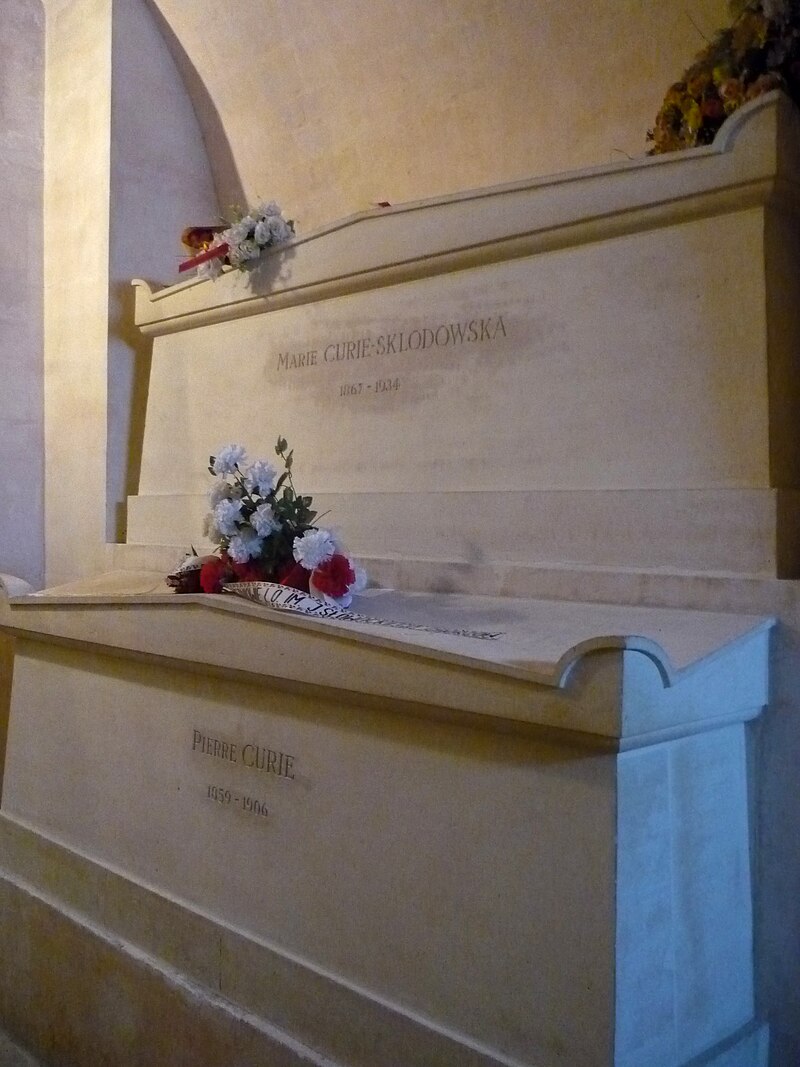
In a historical event, the remains of Marie and Pierre Curie were transferred to the Panthéon in Paris. This act honored their significant contributions to science. Notably, Marie Curie became the first woman to be interred at the Panthéon based on her own merits. This recognition underscored her unparalleled achievements and served as an inspiration for women in science worldwide.
Marie Curie's lifelong dedication to research left an indelible mark on the scientific community. Her work not only advanced the understanding of radioactivity but also led to significant medical advancements, including the development of cancer treatment techniques. Furthermore, her legacy is reflected in numerous awards, scientific institutes named after her, and her inclusion in educational curricula globally.
The transfer of her remains to the Panthéon symbolizes a recognition of her monumental contributions to science and her role as a trailblazer for women in the field. This event highlighted the enduring impact of her work and the importance of acknowledging the contributions of women in science and other fields.
#MarieCurie #WomenInScience #Radioactivity #PanthéonParis #ScientificLegacy #MoofLife
Primary Reference
Marie and Pierre Curie and the discovery of polonium and radium ...
Explore the Life Moments of
 AI Twin