Marie Curie's Struggle Against Academic Inequality in Poland: A Turning Point for Her Career
Poland
Science
Gender Inequality
3 min read
Updated By: History Editorial Network (HEN)
Published:
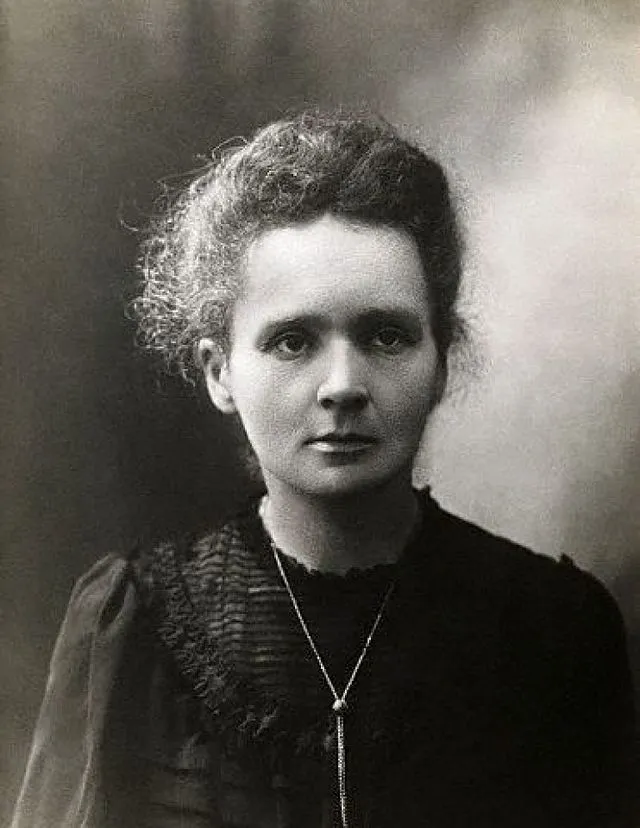
Marie Curie returned to Warsaw with aspirations to reconnect with her family and explore employment opportunities in her homeland. Having completed her studies at the Sorbonne in Paris, she was well-qualified in physics and mathematics, fields where women faced significant barriers. Curie aimed to secure a scientific position at Kraków University, a prestigious institution that would have allowed her to contribute significantly to the academic community in Poland.
Despite her credentials and scientific expertise, Kraków University rejected her application. The decision was influenced by ingrained gender biases that prevailed in Polish academic circles at the time. Society's unfavorable view towards women in scientific roles precluded her from securing the academic post, reflecting the broader societal challenges women faced.
Curie's rejection from Kraków University marked a pivotal moment in her career. Unable to find suitable employment in Poland, she made the decision to return to France, where she would eventually embark on her groundbreaking research in radioactivity. This rejection underscored the broader issues of gender inequality in academia and motivated Curie to continue her work in a more inclusive environment.
#MarieCurie #GenderBias #AcademicInequality #WomenInScience #MoofLife
Primary Reference
Tavik Frantisek Simon
Explore the Life Moments of
 AI Twin