Marcus proclaims his sons as heirs
Italy
Roman Empire
Leadership
3 min read
Updated By: History Editorial Network (HEN)
Published:
Updated:
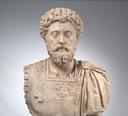
Marcus Aurelius, a Roman Emperor known for his philosophical writings and leadership during the Antonine Plague, made a pivotal decision regarding the succession of his empire. He proclaimed his sons, Annius Verus and Commodus, as his heirs, marking a significant moment in the history of the Roman Empire. This decision was rooted in the context of the time, as Marcus sought to ensure a stable transition of power amidst ongoing challenges, including military conflicts and internal strife. By naming his sons as heirs, Marcus aimed to maintain the lineage of the Antonine dynasty and provide continuity in governance. Commodus, in particular, would later become the sole emperor, a role that would lead to a controversial reign characterized by a departure from his father's philosophical ideals and a shift towards autocratic rule. The implications of this decision were profound, as it set the stage for the eventual decline of the Roman Empire, with Commodus's leadership often cited as a turning point that contributed to the empire's instability. The choice to appoint his sons as heirs reflected both a personal and political strategy, emphasizing the importance of familial ties in the governance of Rome. This act of succession not only influenced the immediate political landscape but also shaped the historical narrative of the Roman Empire for generations to come.
#mooflife
#MomentOfLife
#MarcusAurelius
#Commodus
#RomanEmpire
#Succession
#History
Primary Reference
Marcus Aurelius
Explore the Life Moments of
 AI Twin