Marcus Granted Tribunician Power and Imperium
Italy
Roman History
Political Authority
Imperial Governance
4 min read
Updated By: History Editorial Network (HEN)
Published:
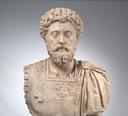
The granting of tribunician power and imperium to Marcus by Antoninus marked a pivotal moment in the governance of the Roman Empire. This authority provided Marcus with significant control over military and provincial matters, enhancing his role in the administration of the empire. As tribune, Marcus was empowered to propose legislation to the Senate, following the four measures that Antoninus could introduce. This arrangement not only solidified Marcus's position within the political hierarchy but also established a framework for collaboration between the emperor and his designated successor. The renewal of these powers shortly thereafter further indicated the trust Antoninus placed in Marcus, ensuring continuity in leadership and governance.
The impact of this decision extended beyond immediate political dynamics. By equipping Marcus with such authority, Antoninus was effectively preparing him for future leadership, which would be crucial for the stability of the empire. The role of tribune was historically significant, as it allowed for a direct connection between the military and the Senate, fostering a balance of power that was essential for the functioning of Roman governance. This development also reflected the broader trends in Roman politics, where the consolidation of power among trusted individuals was a common strategy to maintain order and prevent civil strife. The relationship between Antoninus and Marcus exemplified the importance of mentorship and succession planning in the Roman political landscape, setting the stage for Marcus's eventual rise to the position of emperor.
#mooflife
#MomentOfLife
#RomanEmpire
#TribunicianPower
#MarcusAurelius
#AntoninusPius
#Imperium
Explore the Life Moments of
 AI Twin