Marcus Aurelius Becomes Roman Emperor
Italy
Roman History
Philosophy
Leadership
4 min read
Updated By: History Editorial Network (HEN)
Published:
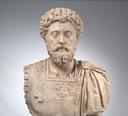
Marcus Aurelius became Roman Emperor following the reign of Antoninus Pius. His ascension marked the beginning of a significant period in Roman history characterized by philosophical governance and military challenges. Aurelius ruled alongside Lucius Verus, who served as co-emperor until Verus's death. This partnership allowed for a division of responsibilities, particularly in military campaigns, as the Roman Empire faced threats from various tribes along its borders. The collaboration between Aurelius and Verus was crucial during the Parthian War, where they successfully expanded Roman influence in the East. After Verus's death, Aurelius continued to govern, later sharing power with his son Commodus, who would succeed him. Aurelius's reign is often noted for its emphasis on Stoic philosophy, which he practiced and promoted through his writings, particularly in his work 'Meditations'. This text has had a lasting impact on both philosophy and leadership, emphasizing the importance of rationality, self-discipline, and virtue in governance. His reign is also marked by the Antonine Plague, which significantly affected the population and military strength of the Empire, leading to economic challenges and social unrest. Despite these difficulties, Aurelius is remembered as one of the 'Five Good Emperors', a term that reflects the relative stability and prosperity of the Empire during his rule. His leadership style and philosophical approach have influenced countless leaders and thinkers throughout history, establishing a legacy that endures in discussions of ethics and governance.
#mooflife
#MomentOfLife
#MarcusAurelius
#RomanEmperor
#StoicPhilosophy
#LuciusVerus
#Commodus
Explore the Life Moments of
 AI Twin