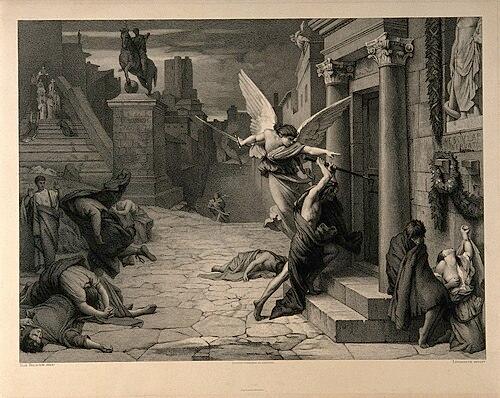
Impact of Plague on Ancient Rome
Italy
Health
Ancient Rome
4 min read
Updated By: History Editorial Network (HEN)
Published:
Updated:
The Antonine Plague, which emerged in the Roman Empire around the mid-second century, had a profound impact on the population and the socio-economic structure of ancient Rome. This epidemic is estimated to have caused the deaths of five to ten million people, significantly reducing the population and altering the dynamics of Roman society. The plague is believed to have originated from the eastern provinces of the Empire, possibly brought back by soldiers returning from campaigns. The spread of the disease led to widespread fear and uncertainty, as the symptoms included fever, diarrhea, and skin lesions, which were often fatal. The high mortality rate not only affected the populace but also strained the Empire's resources, leading to labor shortages in agriculture and trade, which in turn contributed to economic decline. The loss of life also impacted military strength, as fewer soldiers were available to defend the Empire's borders, making it more vulnerable to external threats.
The Antonine Plague also had significant implications for the governance of the Empire. The co-emperor Lucius Verus is believed to have succumbed to the plague, which raised concerns about leadership stability during a time of crisis. The health crisis prompted the Roman authorities to implement various public health measures, although their effectiveness was limited given the medical knowledge of the time. The social fabric of Roman life was altered as families were devastated by loss, and traditional rituals surrounding death and mourning were disrupted. The long-term effects of the plague contributed to a shift in the Roman economy and society, leading to changes in trade patterns and a gradual decline in urbanization as people moved to rural areas in search of safety and sustenance. This epidemic serves as a historical example of how disease can influence the course of civilizations, highlighting the interconnectedness of health, economy, and governance in ancient Rome.
#mooflife
#MomentOfLife
#AntoninePlague
#AncientRome
#RomanEmpire
#PublicHealth
#EpidemicImpact
Primary Reference
Antonine Plague

Explore the Life Moments of
 AI Twin