Marcus and His Connection to Emperors
Italy
Biography
Roman Empire
4 min read
Updated By: History Editorial Network (HEN)
Published:
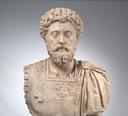
Marcus Aurelius, a prominent Roman Emperor, had a complex familial background that shaped his character and leadership style. His father passed away when Marcus was very young, likely during his praetorship, which left a significant impact on him. Despite not having a direct relationship with his father, Marcus reflected on the values he inherited from him, particularly 'modesty and manliness.' These principles became foundational in his philosophical writings, especially in his work, Meditations, where he emphasized the importance of virtue and moral integrity. The loss of his father at such an early age instilled in Marcus a sense of responsibility and a desire to uphold the family legacy, which he sought to embody throughout his reign as Emperor.
The connection between Marcus and the emperors before him is notable, as he was part of the Five Good Emperors, a term used to describe a period of relative peace and prosperity in the Roman Empire. His philosophical approach to governance, influenced by Stoicism, emphasized rationality and the welfare of the state over personal ambition. This perspective was crucial in maintaining stability during his rule, especially as he faced various challenges, including military conflicts and internal strife. Marcus's commitment to his principles and the lessons learned from his father's reputation contributed to his legacy as a philosopher-king, demonstrating how personal experiences can shape leadership and governance in significant ways.
#mooflife
#MomentOfLife
#MarcusAurelius
#RomanEmperors
#Stoicism
#Meditations
#Philosopher-king
Explore the Life Moments of
 AI Twin