Leadership at Belgaum Congress
India
Political
5 min read
Updated By: History Editorial Network (HEN)
Published:
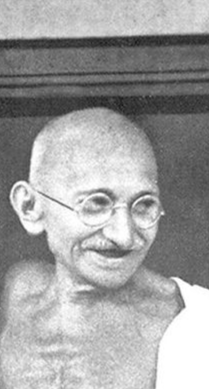
Mahātmā Gāndhī assumed a pivotal role in the Indian National Congress session held in Belgaum. This event marked the only occasion Gāndhī presided over a Congress session, a notable exception in his political journey. The Indian National Congress (INC), established in 1885, had become the principal leader of the Indian independence movement. By the time Gāndhī took the helm at Belgaum, the INC was deeply entangled in the struggle against British colonial rule.
The backdrop of this session was the growing opposition to British rule, characterized by widespread civil disobedience and non-cooperation movements. Gāndhī’s leadership was instrumental in steering these efforts, promoting non-violent resistance and uniting diverse segments of Indian society. At Belgaum, Gāndhī's address focused on self-reliance, the importance of Khādī (homespun cloth), and the Swadeshi movement, urging Indians to boycott British goods and institutions.
Approximately 7,000 delegates attended the Belgaum session, demonstrating the substantial support Gāndhī had garnered. The gathering included prominent leaders of the time, such as Sardar Vallabhbhai Patel and Jawaharlal Nehru. The resolutions passed emphasized key issues such as complete independence (Pūrṇa Swarāj), which later became a central demand in the freedom struggle.
The impact of Gāndhī’s leadership at this session can be assessed through the enhanced momentum the independence movement gained post-Belgaum. The INC subsequently adopted more rigorous measures, and Gāndhī’s ideals became further embedded in the collective ethos of Indian resistance to colonial authority. It not only reinforced the urgency of independence but also inspired various other movements across the country, rallying people from different regions and backgrounds.
In summarizing, the Belgaum Congress session under Gāndhī’s presidency was a defining milestone in the Indian independence narrative. It consolidated diverse efforts, emphasizing non-violence and self-sufficiency while laying the groundwork for future resistance against British rule. The session symbolized the unification of India under a common cause and demonstrated the power of collective action driven by shared ideals.
#IndianIndependence #MahatmaGandhi #INC #SelfReliance #NonViolence #BelgaumCongress #MoofLife
Primary Reference
Gandhi Timeline - Life Chronology of Mahatma Gandhi
Explore the Life Moments of
 AI Twin