Gandhi and Committee Members Arrested, Imprisoned at Aga Khan Palace.
India
Political
5 min read
Updated By: History Editorial Network (HEN)
Published:
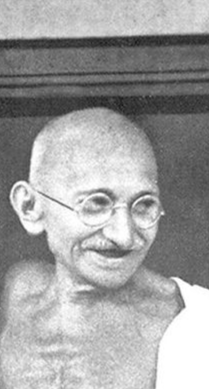
In the midst of intense national fervor in colonial India, Mahatma Gandhi and the members of the Congress Working Committee were arrested following the launch of the Quit India Movement. This movement, also known as the August Movement, was a pivotal push towards India's self-governance and independence from British colonial rule. Gandhi’s call for 'Do or Die' mobilized the masses, rallying millions to demand an end to British occupation.
The British authorities, anticipating mass civil disobedience and potential upheaval, responded swiftly and harshly. Key leaders, including Gandhi, were detained to quell the rising momentum of the movement. Gandhi was imprisoned at the Aga Khan Palace, an architectural edifice located in Pune, which subsequently became a historic site of the freedom struggle.
The imprisonment had significant consequences. It incensed the public and fueled widespread protests across the country. Students, workers, and ordinary citizens took to the streets, facing brutal crackdowns. The British administration responded with widespread arrests, censorship, and confrontations resulting in injuries and deaths.
Despite these hardships, the commitment to the cause of independence strengthened. The leadership gap left by the detained leaders prompted grassroots organizing and localized leadership to emerge, helping to sustain the movement's intensity. The actions taken by the British were intended to suppress the movement but paradoxically united the populace in their resistance efforts.
Statistics from this period indicate thousands of arrests and numerous instances of violent encounters between protestors and colonial forces. The grassroots rebellion showcased the undying resolve for freedom, as seen in incidents like the disruption of communication and transport services, symbolic of persistent defiance against British rule.
The Aga Khan Palace, due to these events, now stands as a monument commemorating India's struggle for independence and the sacrifices made by its leaders. The nationwide agitation reflected the broader discontent and desire for sovereignty, which played an instrumental role in accelerating India's path to independence.
#QuitIndia #FreedomStruggle #Gandhi #IndianIndependence #AgaKhanPalace #MoofLife
Explore the Life Moments of
 AI Twin