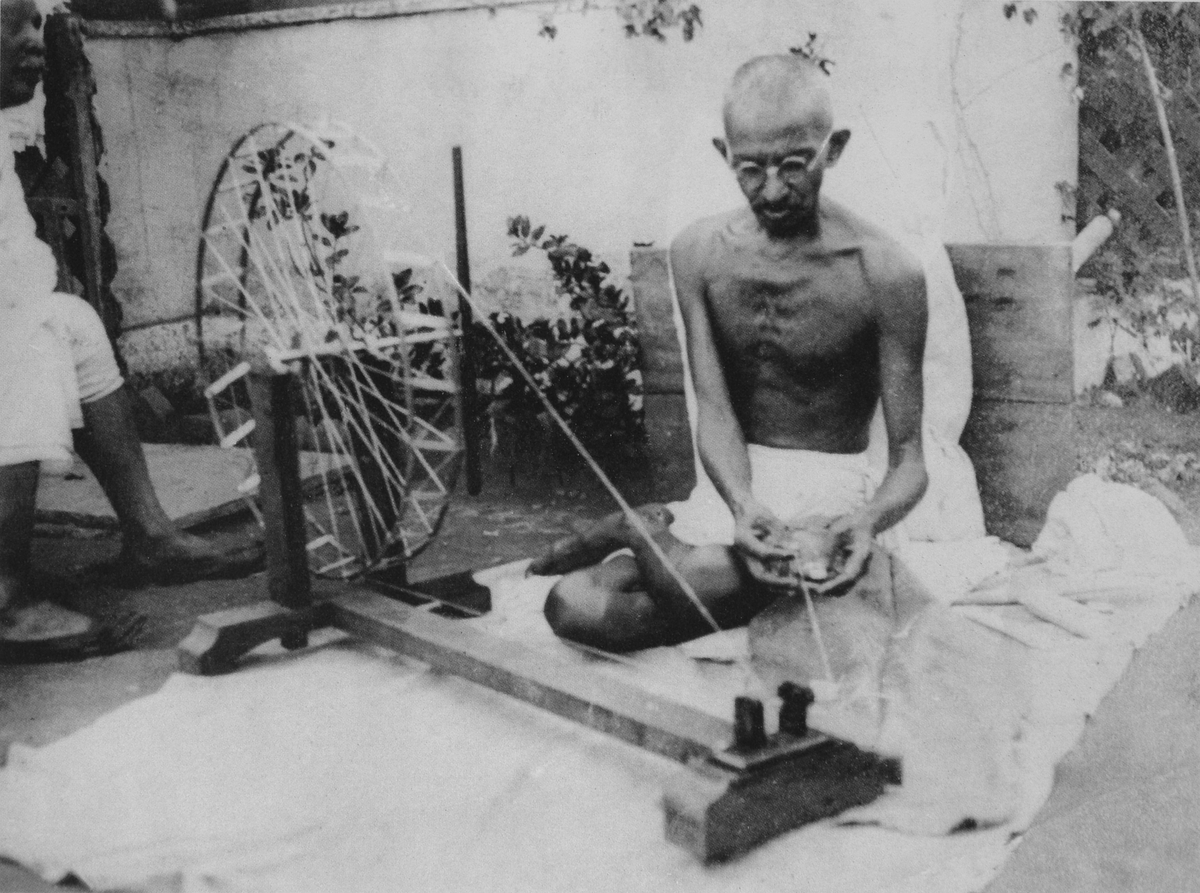
Breaking a fast - reflection on power of nonviolent protest and self-restraint.
India
Political
4 min read
Updated By: History Editorial Network (HEN)
Published:
In New Delhi, Mahatma Gandhi chose to end his fast, a pivotal decision following five days of severe self-imposed abstinence from food. The backdrop to his decision was the communal violence permeating parts of India during the partition. Gandhi initiated the fast as a form of nonviolent protest, advocating for harmony among Hindus, Muslims, and Sikhs.
The fast garnered significant attention, sparking nationwide concern. Religious and political leaders feared for Gandhi's health and the potential turmoil that might ensue if his health deteriorated significantly. Gandhi’s fasting strategy was grounded in his philosophy of Satyagraha—truth and nonviolence—emphasizing moral pressure over coercion.
Reports emerged of Hindus and Muslims engaging in dialogue and promising to cease violence, prompted both by genuine remorse and the urgent need to save Gandhi’s life. Various grassroots and senior leaders proposed concrete steps for restoring peace. On the fifth day, reassured by these commitments, Gandhi resolved to break his fast.
The event left far-reaching effects on Indian society. Violence in many regions reduced markedly, and the nation experienced a temporary truce, exemplifying the potential of moral leadership and peaceful resistance. Statistical data from that period showed notable drops in communal clashes, a testament to the efficacy of such nonviolent measures under Gandhi’s influence.
#PeacefulProtest #Gandhi #NonViolence #Satyagraha #UnityInDiversity #IndianHistory #MoofLife
Explore the Life Moments of
 AI Twin