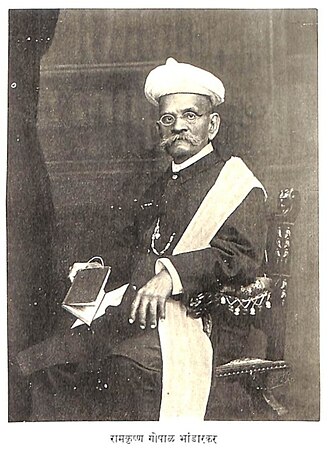
Public lecture in Poona chaired by Ramkrishna Bhandarkar.
India
Political
6 min read
Updated By: History Editorial Network (HEN)
Published:
During a public lecture in Poona, chaired by Ramkrishna Bhandarkar, Mohandas Karamchand Gandhi presented his thoughts on civil rights and social justice. This event occurred against a backdrop of growing political awakening in India, particularly concerning the struggle against British colonial rule.
Gandhi's discourse during the lecture primarily focused on the plight of Indian laborers in South Africa, where he had been actively engaged in advocating for their rights. Prior to returning to India, Gandhi had observed and challenged racially discriminatory practices in South Africa, experiences that significantly influenced his methods of protest and advocacy.
Ramkrishna Bhandarkar, a respected scholar in Indian history and social reforms, presided over the meeting, lending his credibility and support to Gandhi's cause. Bhandarkar's involvement highlighted the importance of intellectual and academic backing for the burgeoning Indian independence movement. His chairing of the event helped draw local and national attention to the issues Gandhi was raising.
The public lecture was attended by a diverse audience, including intellectuals, students, and common citizens, reflecting the widespread interest in the topics being discussed. Through his address, Gandhi outlined his principles of non-violent resistance, which would later crystallize into the well-known concept of 'Satyagraha'. He articulated the importance of non-violent protest as a potent tool against oppression, a narrative that resonated with many attendees and amplified his message across India.
Statistically, the meeting marked one of the early instances where Gandhi effectively connected local Indian issues with broader global grievances. This public engagement helped solidify his position as a key figure in India's fight for civil rights and self-governance.
The impact of the lecture extended beyond immediate attendance. It inspired future activism and contributed to the evolving discourse on how best to challenge colonial authority. Gandhi's thoughts shared during the lecture continued to influence and educate Indian society on the principles of non-violent resistance.
In conclusion, the public lecture in Poona, with Ramkrishna Bhandarkar as chair, played a pivotal role in disseminating Gandhi's ideas on justice and peaceful protest, leaving a lasting impact on India's struggle for independence.
#Gandhi #CivilRights #NonViolence #ColonialIndia #PublicLecture #Poona #RamkrishnaBhandarkar #IndianIndependence #MoofLife
Primary Reference
Gandhi Timeline - Life Chronology of Mahatma Gandhi
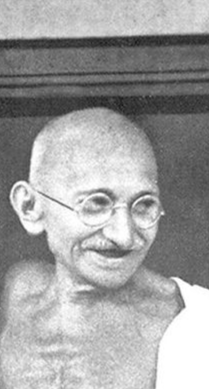
Explore the Life Moments of
 AI Twin