Bardoli Taluka Stands Against Land Revenue Payment in Civil Disobedience
India
Political
5 min read
Updated By: History Editorial Network (HEN)
Published:
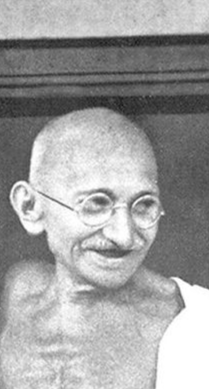
In the early 20th century, the region of Bardoli Taluka in India experienced escalating tensions between the British colonial administration and local farmers. The farmers, struggling with significant financial burdens due to exorbitant land revenue taxes, found it increasingly difficult to sustain their livelihoods. At this critical juncture, Mahatma Gandhi intervened, advocating for a peaceful yet resolute method of protest: Civil Disobedience.
The crux of the situation emerged when farmers, under Gandhi's leadership, collectively decided to refuse payment of land revenue. This was a bold stand against the oppressive taxation policies that disregarded the economic conditions and the agricultural challenges faced by the locals. This act of defiance was not merely a localized protest; it was a calculated move in the broader strategy to challenge and dismantle British authority by undermining its economic foundation.
The impact was profound. The unity displayed by the farmers in Bardoli Taluka inspired other regions to consider similar forms of protest. The revenue officials, faced with widespread non-compliance, struggled to enforce tax collection without resorting to severe punitive measures, which would further alienate the populace. The movement gained significant attention, highlighting the grievances of the agrarian community and exposing the exploitative nature of colonial revenue policies.
Simultaneously, this movement also showcased the efficacy of Civil Disobedience as a tool for social change. By refusing to pay the oppressive taxes, the farmers reinforced the broader Indian independence movement's strategy, emphasizing nonviolent resistance against unjust laws. This incident in Bardoli became a prominent example of grassroots mobilization against colonial rule, underscoring the synergy between local struggles and national aspirations for freedom.
The Bardoli protest seeded a broader discourse on economic justice and the inequities inherent in colonialism. The resilience of the farmers, supported by Gandhi's strategic vision, carved a path for future nonviolent resistance movements across India.
#CivilDisobedience #EconomicJustice #IndianIndependence #ColonialResistance #AgrarianStruggle #MoofLife
Primary Reference
Gandhi Timeline - Life Chronology of Mahatma Gandhi
Explore the Life Moments of
 AI Twin