

Related Lives


Esterbrook
American writing-instrument manufacturer

Blackberry
Canadian cybersecurity and software comp

Ramada
Roadside Inns to Global Hospitality

CNN
Multinational News Channel

Hilton Worldwide
A Century of Global Hospitality

TDK Corporation
Multinational Electronics Corporation

1912
In 1912, The New York Times established the Hundred Neediest Cases campaign to raise charitable contributions for individuals and families experiencing financial hardship in New York City. The initiative used newspaper reporting to describe the circumstances of people requiring assistance, encouraging readers to contribute through established social service organizations. The campaign became an annual fundraising tradition, connecting the newspaper's readership with charitable agencies serving vulnerable communities. Its early focus included families affected by poverty, illness, unemployment, and other difficult circumstances.
Over subsequent decades, the program continued through partnerships with nonprofit organizations and social service providers. The newspaper published accounts of people seeking assistance, while donations supported services addressing housing insecurity, education, healthcare, and basic living expenses. The initiative later operated as the Neediest Cases Fund before adopting the name The New York Times Communities Fund. Its development reflected the newspaper's longstanding involvement in charitable fundraising alongside its journalism and publishing activities.
Historical Clarification
The Fund's official history identifies 13/12/1912, not 23/06/1912, as the date of its first published appeal. The campaign began in 1912 following an encounter between publisher Adolph S. Ochs and a person seeking assistance on Christmas Day 1911. Its first appeal raised $3,630.88 from 117 donors. The Fund became a nonprofit organization in 1941 and adopted the name The New York Times Communities Fund in 2023.
View details1910
On 30/05/1910, The New York Times published what is widely recognized as its first front-page news photograph, documenting aviation pioneer Glenn H. Curtiss's flight from Albany to New York City. On 29/05/1910, Curtiss completed the approximately 150-mile journey in his aircraft, the Albany Flyer, winning a $10,000 prize offered by the New York World. His flight took approximately two hours and fifty-one minutes of flying time, with a scheduled stop near Poughkeepsie. The achievement demonstrated the growing capabilities of powered aviation just seven years after the Wright brothers' first successful powered flight.
The following day's front-page photograph marked a departure from The New York Times' predominantly text-based presentation of news. At a time when newspaper photography required specialized reproduction techniques, the image helped readers visualize an event that had attracted national attention. The coverage combined reporting on Curtiss's journey with photographic documentation of the aircraft and its pilot, illustrating how visual material could supplement written accounts of technological developments and public events.
View details1904
On 08/04/1904, Longacre Square in Midtown Manhattan, New York City, was officially renamed Times Square in recognition of The New York Times and its planned headquarters at the intersection of Broadway and Seventh Avenue. The renaming followed the newspaper's decision, under publisher Adolph S. Ochs, to relocate from its previous offices in Lower Manhattan to a newly constructed skyscraper at One Times Square. The area, previously associated with carriage manufacturing and commercial businesses, was undergoing development as a transportation, entertainment, and commercial district.
The newspaper moved into its new headquarters later in 1904, coinciding with the opening of the city's first subway line, which included a station at Times Square. On 31/12/1904, Ochs organized a New Year's Eve celebration in the square to promote the newspaper's new location. The event attracted large crowds and preceded the introduction of the Times Square New Year's Eve ball drop in 1907. Although The New York Times eventually relocated its principal offices, the name Times Square remained attached to the district.
View details1896
On 01/12/1896, The New-York Times removed the hyphen from its name, becoming The New York Times. The change occurred under publisher Adolph S. Ochs, who had acquired control of the financially struggling newspaper on 18/08/1896. Originally established as The New-York Daily Times on 18/09/1851 by Henry Jarvis Raymond, George Jones, and Edward B. Wesley, the publication had shortened its name in 1857. Removing the hyphen brought its title into line with more contemporary naming conventions while preserving the newspaper's established identity.
The adjustment formed part of a period of editorial and business changes introduced after Ochs assumed leadership. He emphasized accurate reporting, comprehensive news coverage, and financial discipline as the newspaper competed with other New York publications. During the same period, the newspaper introduced the slogan “All the News That's Fit to Print,” which became a permanent feature of its front page in 1897. The revised name remained in use as the publication expanded its national and international reporting throughout the twentieth century.
View details25/10/1896: The New York Times Introduces Its Famous Editorial Slogan
On 25/10/1896, The New York Times introduced the slogan “All the News That's Fit to Print,” reflecting publisher Adolph S. Ochs's commitment to responsible journalism and comprehensive news coverage. Ochs had acquired control of the financially struggling newspaper on 18/08/1896 and sought to distinguish it from competitors associated with sensational reporting. The slogan first appeared in an advertising context and expressed the newspaper's editorial ambition to publish reliable information while maintaining standards of accuracy and restraint.
The phrase became closely associated with the newspaper's identity during Ochs's early leadership. On 10/02/1897, it appeared in the upper-left corner of the front page, where it became a permanent feature of the newspaper's design. The slogan accompanied broader reforms in editorial presentation, reporting practices, and circulation strategy. In 1898, Ochs reduced the newspaper's daily price from three cents to one cent, helping expand its readership in New York's competitive newspaper market.
View details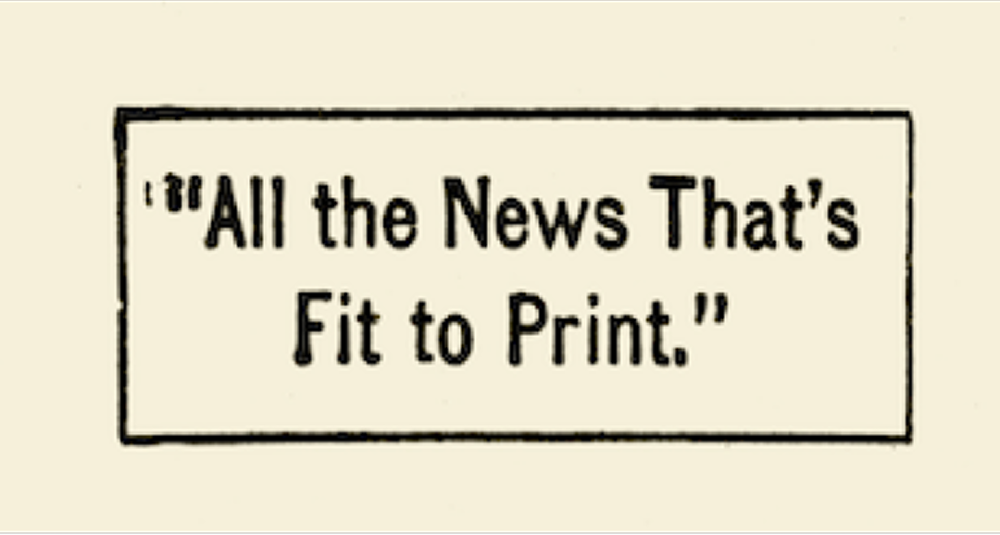
On 18/08/1896, American newspaper publisher Adolph S. Ochs acquired control of The New York Times, a financially struggling newspaper founded in New York City in 1851. Ochs, who had previously built his publishing career at The Chattanooga Times in Tennessee, took charge of the publication at age 38. At the time, the newspaper faced financial difficulties and competition from popular New York newspapers. Ochs introduced an editorial strategy emphasizing accurate reporting, comprehensive news coverage, and restraint in an era when sensational journalism was widespread.
Under Ochs's leadership, The New York Times strengthened its reporting on politics, business, international affairs, and public events. In 1897, the newspaper adopted the slogan “All the News That's Fit to Print,” and in 1898, Ochs reduced its daily price from three cents to one cent. Circulation subsequently increased, supporting the newspaper's financial recovery. Ochs remained publisher until his death on 08/04/1935, establishing the family ownership associated with the newspaper's subsequent development.
View details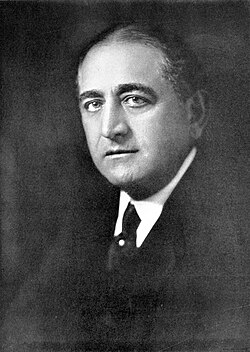
1871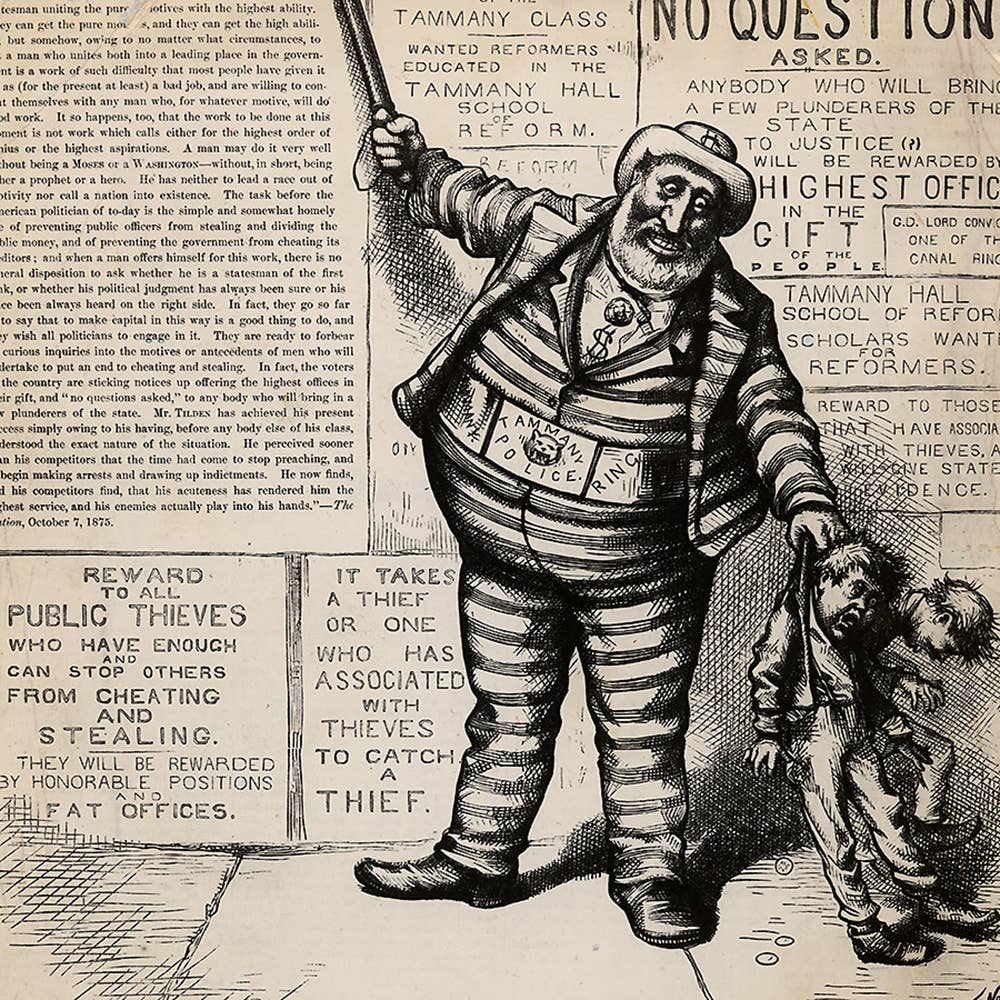
On 19/08/1871, The New-York Times continued its investigative reporting into political corruption involving William M. “Boss” Tweed and Tammany Hall, the Democratic political organization that dominated New York City government. The newspaper's investigations, which intensified in July 1871, drew on financial records supplied by sources familiar with municipal accounts. The reports exposed inflated public contracts, fraudulent payments, and the misuse of taxpayer funds, particularly in connection with construction of the New York County Courthouse. Under publisher George Jones, the newspaper published detailed evidence of financial misconduct involving Tweed and his political associates.
The revelations attracted public attention and increased pressure for investigations into city government finances. Political opposition, legal proceedings, and public criticism contributed to the Tweed Ring's loss of power in the November 1871 elections. Tweed was arrested in October 1871 and subsequently faced criminal prosecution. In 1873, he was convicted on charges connected to corruption in municipal government. The newspaper's reporting, alongside political cartoons by Thomas Nast in Harper's Weekly, helped expose the organization's activities to a wider audience.
View details1861
In April 1861, The New-York Times, founded in 1851 by Henry Jarvis Raymond, George Jones, and Edward B. Wesley, expanded its reporting as the American Civil War began. Confederate forces attacked Fort Sumter in Charleston Harbor, South Carolina, on 12/04/1861, prompting its surrender on 13/04/1861. President Abraham Lincoln called for 75,000 militia volunteers on 15/04/1861. The newspaper reported on these developments, military preparations, political decisions, and public reactions, providing readers in New York City with detailed accounts of the escalating conflict.
Throughout the war, which continued until 1865, The New-York Times published battlefield dispatches, military correspondence, casualty reports, and coverage of federal government policies. Its correspondents reported from military campaigns and Washington, D.C., while telegraph communications helped transmit news over long distances. The newspaper's coverage documented Union and Confederate military operations, political debates, and the consequences of the conflict for American society.
View details1857
On 14/09/1857, the New York City newspaper The New-York Daily Times officially changed its name to The New-York Times, removing the word “Daily” from its original title. Founded on 18/09/1851 by Henry Jarvis Raymond, George Jones, and Edward B. Wesley, the newspaper had operated for nearly six years under its founding name. Raymond served as its editor, overseeing reporting on politics, commerce, international affairs, and public developments. The name change retained the newspaper's established identity while introducing the shorter title that would become associated with its subsequent history.
The change occurred during a period of expansion in American newspaper publishing, when improvements in printing technology and communications supported wider news distribution. The New-York Times continued publishing daily reports on national politics, business, and international events. The newspaper later adopted the title The New York Times, removing the hyphen from its name in 1896. Its 1857 renaming therefore represented an intermediate stage in the development of the publication's present-day identity.
View details1851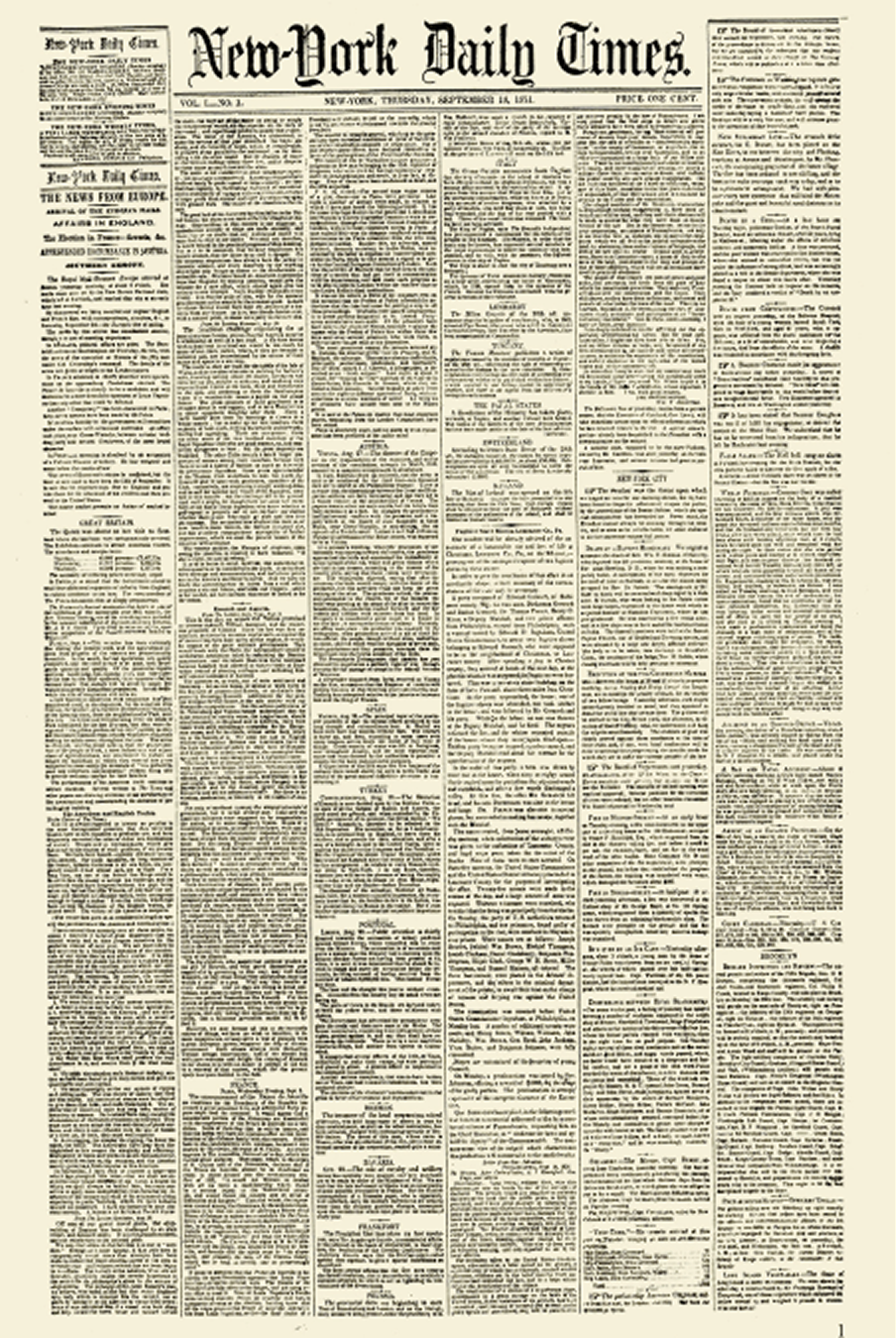
On 18/09/1851, The New-York Daily Times, the newspaper later known as The New York Times, published its first edition in New York City. Established by Henry Jarvis Raymond, George Jones, and Edward B. Wesley, the newspaper was founded to provide reliable reporting on politics, commerce, international affairs, and public events. Its inaugural issue consisted of four pages and sold for one cent. Raymond, who served as the newspaper's first editor, outlined an editorial approach emphasizing factual reporting, measured commentary, and independence from sensational journalism.
The newspaper entered a competitive New York publishing market dominated by established publications such as the New York Herald and New-York Tribune. Its first office was located at 113 Nassau Street in Manhattan. On 14/09/1857, the publication shortened its name to The New-York Times. Under Raymond and Jones, the newspaper developed its coverage of national politics, business, and international developments, laying the foundation for its
View details