Croatia
Land of a Thousand Islands
1
2
3
4
...
6
7
8
9
...
12
13
14
15
10-Apr-1941
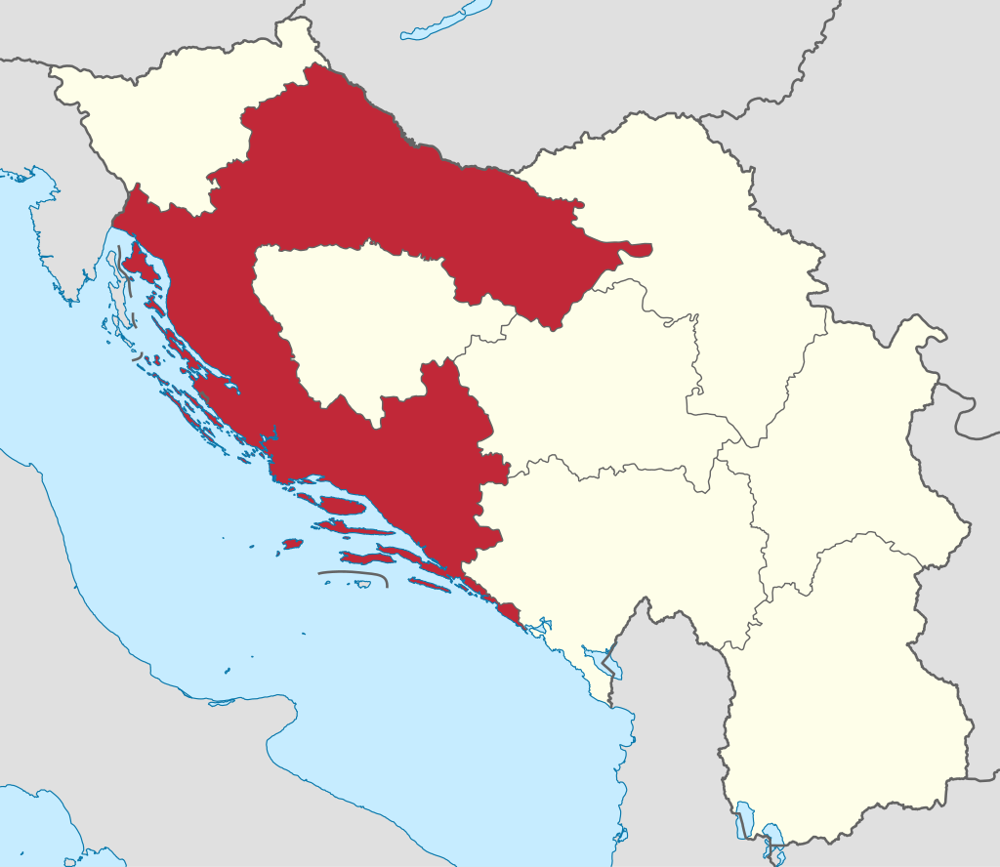
Establishment of Independent State with controversial regime, WWII, dissolved after conflict with Allies.
1940
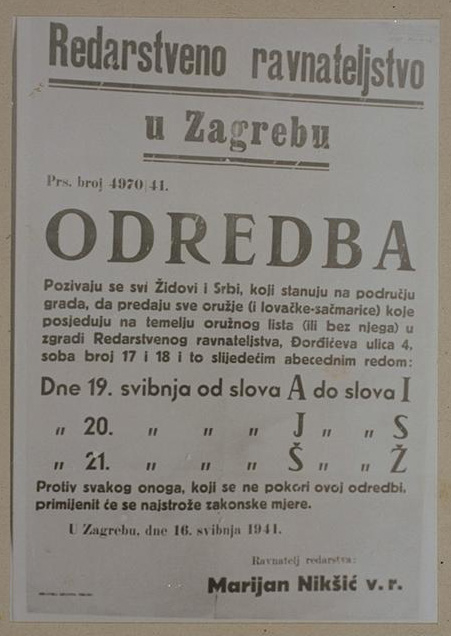
Yugoslavia enacts anti-semitic laws against Jewish residents of Croatia, causing harm and discrimination.
1940
Farmers revolt against harmful Yugoslavian agricultural policies, seeking change for agriculture sector improvement.
01-Sep-1939
Heightened political and social tension in Croatia due to the start of WWII.
26-Aug-1939
Formation of Banovina of Croatia as autonomous province in Yugoslavia for Croatian administration.
1939
Markovac and Slatina transit camps in Croatia detain political prisoners and refugees.
Jul-1937
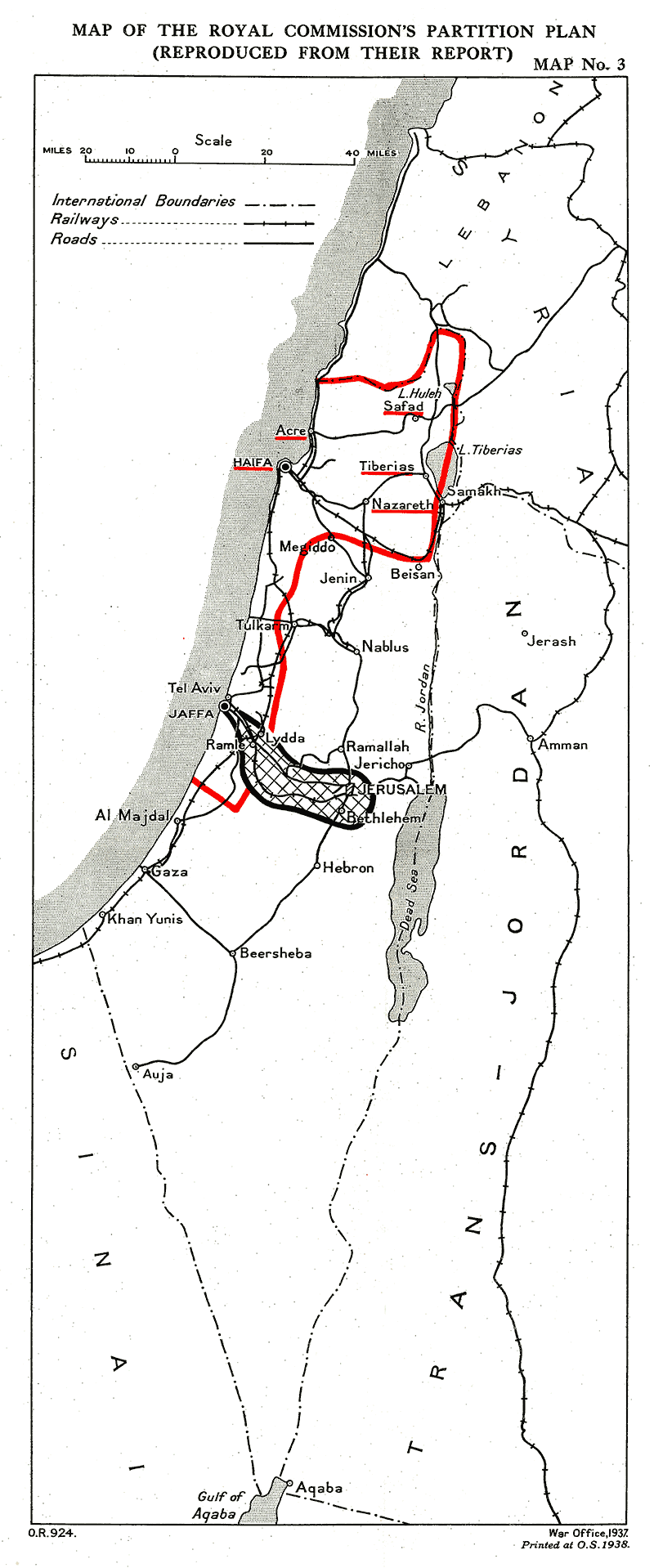
Peel Commission partition plan led to greater acceptance of Jewish refugees from Croatia.
1935
Dictatorship imposed in the Kingdom of Yugoslavia creating a severe political environment in Croatia.
1935
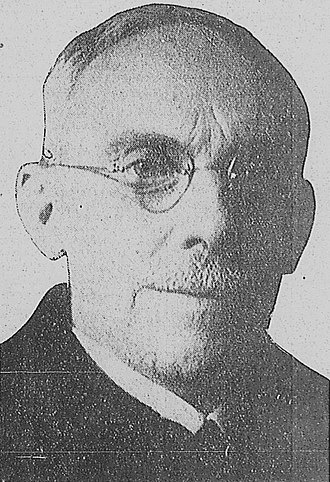
Vladko Maček, politician, arrested for opposing dictatorship in Croatia.
06-Jan-1935
Yugoslav National Movement {Zbor}' was formed to promote national unity and collaboration.
09-Oct-1934
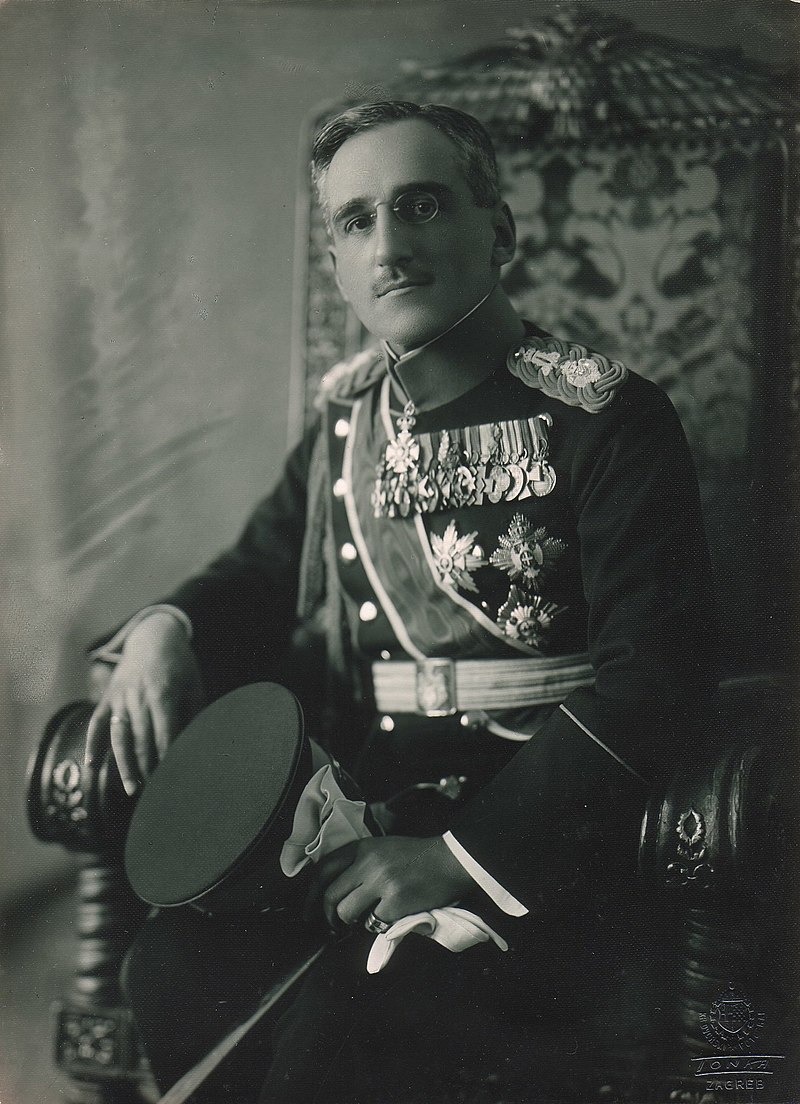
King Alexander I is assassinated and Prince Paul takes over the regency of the Kingdom of Yugoslavia which includes Croatia
1932
Zagreb Points political manifesto is unveiled, outlining principles and goals for the future.
1930
Croatian Bloc' in elections with modified view towards Kingdom's government to participate effectively.
1930
King Aleksandar bans political parties to suppress separatist movements, especially in Croatia.
03-Oct-1929
Country name changed to Kingdom of Yugoslavia to unify South Slavic territories in 1929.
06-Jan-1929
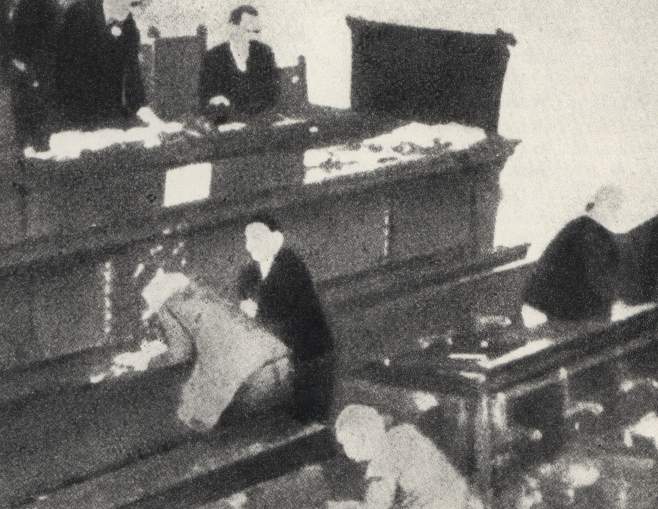
King Aleksandar enforced dictatorship, replaced constitution, and unified the state to prevent political divisions.
06-Jan-1929
King Aleksandar's division creation creates ethnic tension, failing to pacify the country as intended.
08-Aug-1928
Stjepan Radić assassinated in Belgrade, impacting Croatian-Serbian relations between 1931-1935.
1925
King Alexander established dictatorship, leading to increased tensions within Yugoslavia.
1922
Law reinstates historical territorial names within administrative regions.
1921
The Kingdom rebrands to Yugoslavia in hopes of unity among Slavic nations.
28-Jun-1921
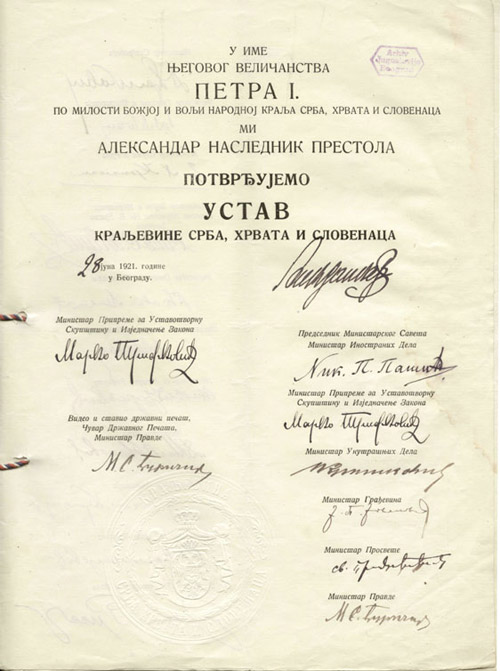
Vidovdan Constitution adopted despite strong opposition from Croatian representatives.
28-Nov-1920
1920 elections in Yugoslavia had significant Croatian Peasant Party participation in voting.
1919
Stjepan Radić formed Croatian Republican Peasant Party to oppose the new kingdom.
1919
Participated in conferences leading to Treaty of Trianon and Saint-Germain-en-Laye post-World War I.
01-Dec-1918
Formation of Kingdom of Serbs, Croats, and Slovenes unites South Slavic groups into one entity.
29-Oct-1918
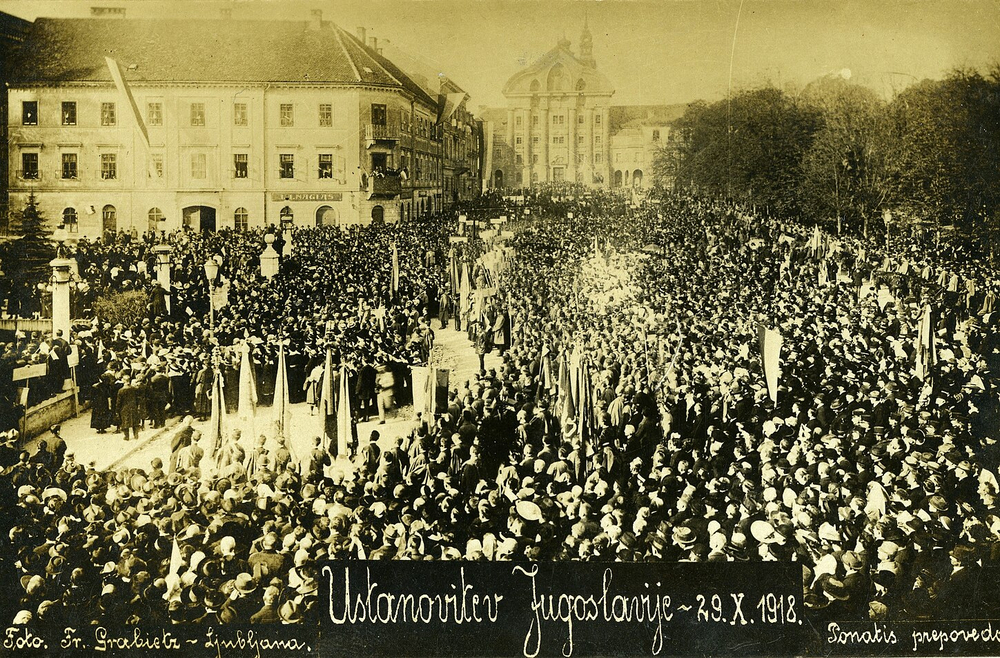
Proclamation of a new state unifying Slovenes, Croats, and Serbs into a single entity.
1918
Austro-Hungarian Empire dissolved after WWI, leading to formation of new countries in Europe.
1917
Food shortages and military failures cause dissatisfaction with war among Croatian people.
1916
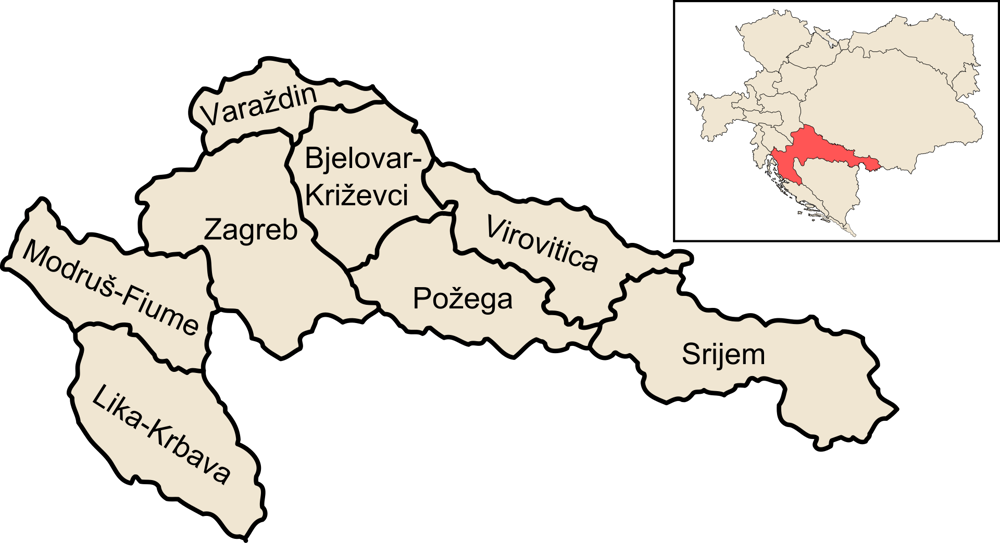
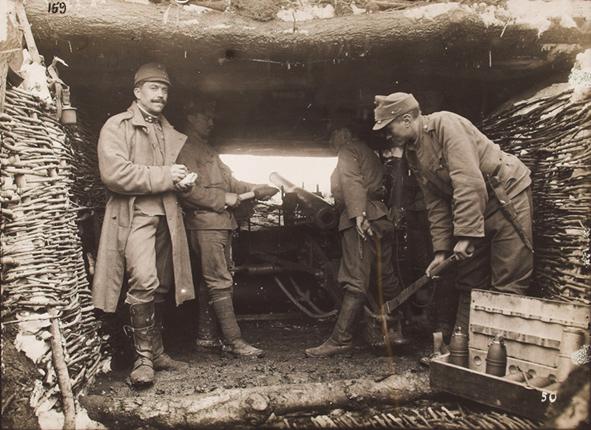
Croatia was part of Austro-Hungarian Empire during World War I.
1
2
3
4
...
6
7
8
9
...
12
13
14
15
Related Lives
Burundi
The Land of a Thousand Hills
Hungary
Tales of the Danube
Turkey
The Land of Singing Trees
United States of America