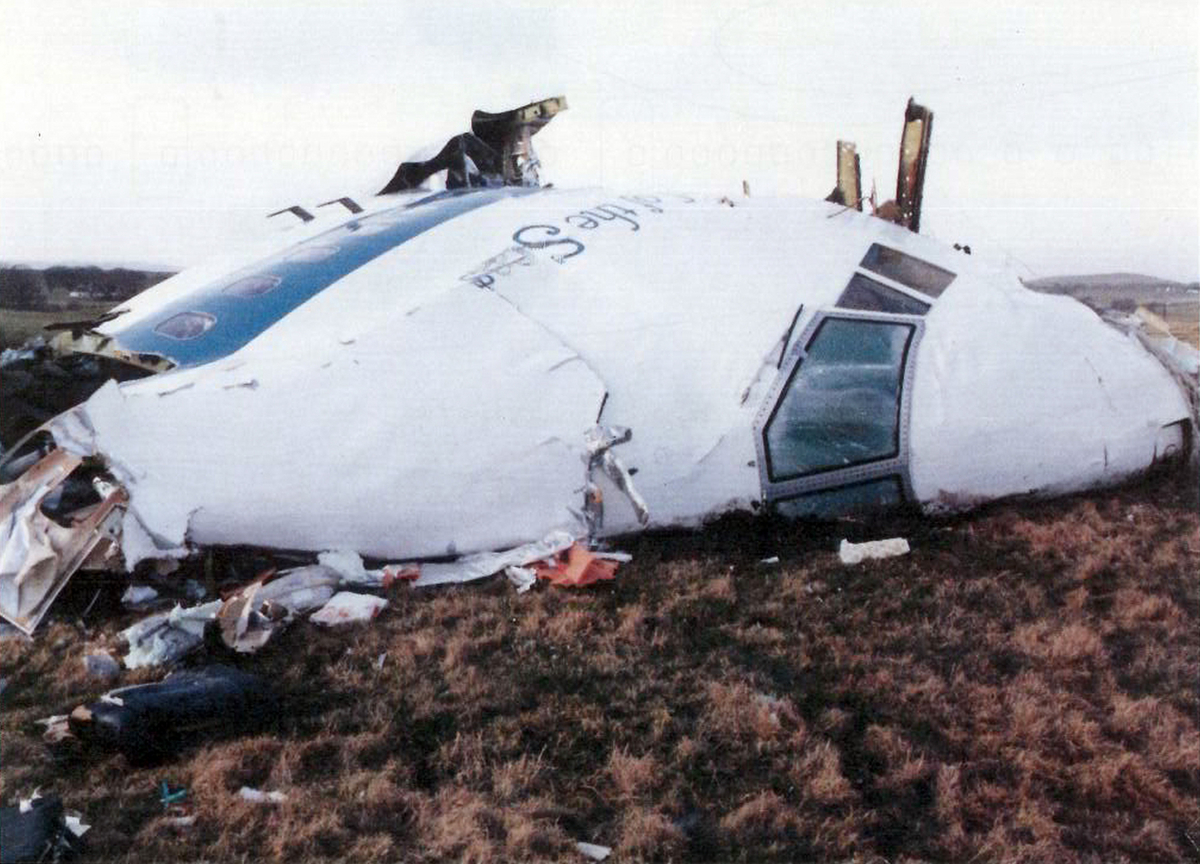
Terrorist attack on Pan Am Flight 103.
Libya
Political
Global Trade
4 min read
Updated By: History Editorial Network (HEN)
Published:
In the late 20th century, a tragic event occurred when Pan Am Flight 103, traveling from London to New York, exploded over the town of Lockerbie, Scotland. The aircraft, a Boeing 747, carried 243 passengers and 16 crew members. Every individual on board, along with eleven residents on the ground, lost their lives due to the explosion caused by a bomb hidden in a luggage compartment.
Investigations led by European and American intelligence agencies traced the origins of the bomb to a suitcase loaded in Malta. After years of scrutiny and complex legal proceedings, evidence pointed towards Libyan nationals as key suspects. Ultimately, Abdelbaset al-Megrahi was convicted, highlighting a state-sponsored terrorist attack tied to Libya.
The impact of the Lockerbie bombing extended beyond the immediate loss of life. Families from 21 countries were plunged into grief, with most victims being American citizens. The devastation prompted rigorous changes in international aviation security, reshaping protocols to prevent similar tragedies. In the wake of the incident, the repercussions for Libya included intensified sanctions and strained diplomatic relations with Western countries.
Further investigations and legal reviews over the decades have kept the memory of this event alive, fostering debates about justice, accountability, and international policy. The complexity and scale of the attack remain a poignant reminder of the vulnerabilities within global security systems.
Hashtags such as #LockerbieBombing, #AviationSecurity, #Terrorism, #HumanLoss, and #MoofLife encapsulate the essence of this historical incident.

Explore the Life Moments of
 AI Twin