Historic Elections Held in Post-Gaddafi Libya
Libya
Political
5 min read
Updated By: History Editorial Network (HEN)
Published:
Libya held its first democratic parliamentary elections after the fall of Muammar Gaddafi's regime. Gaddafi had ruled Libya for over four decades, maintaining power through a combination of strategic alliances, suppression of dissent, and implementation of an idiosyncratic form of socialism. Following a brutal civil war, his regime was toppled, leading to a power vacuum and a period of instability.
The elections marked a critical step in Libya's transition towards establishing democratic governance. The purpose was to elect members to the General National Congress (GNC), which would have the responsibility to appoint a new prime minister and oversee the drafting of a new constitution. These elections were widely viewed as an effort to create a representative and inclusive government to replace the autocratic rule.
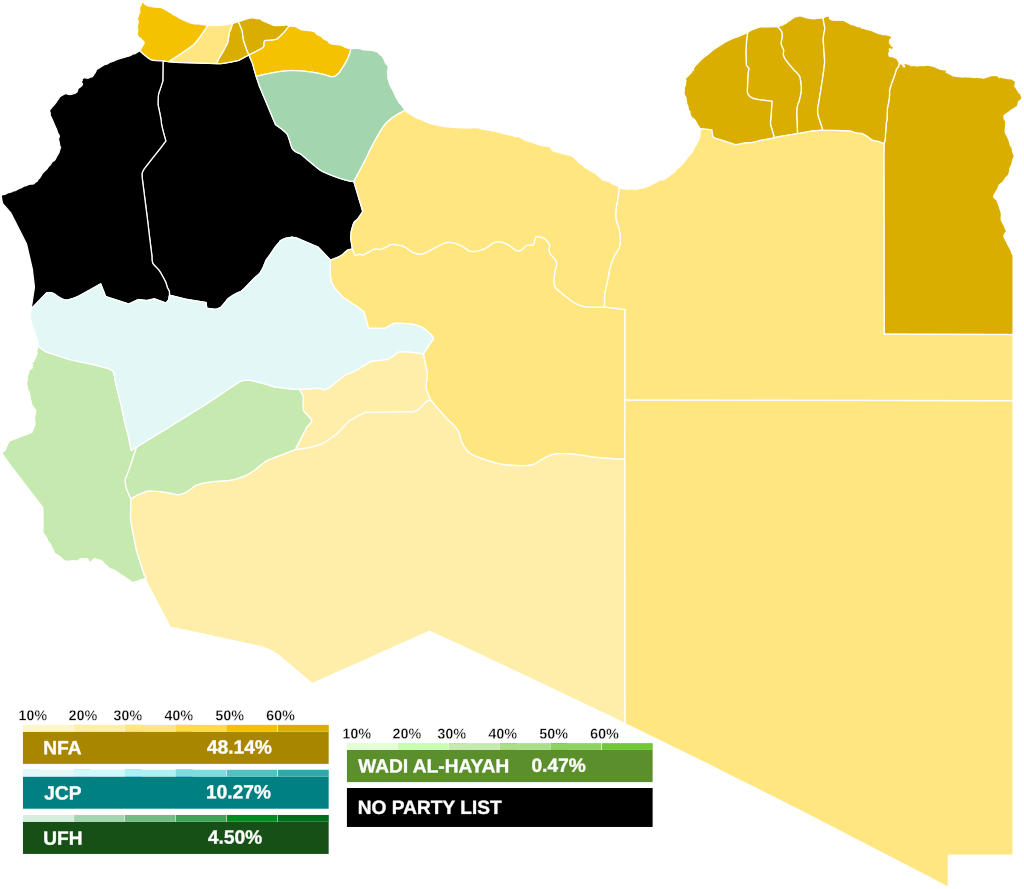
Approximately 2.8 million Libyans registered to vote, representing more than 80% of the eligible voting population. This high level of participation highlighted a strong desire among the populace for political involvement and a new direction for the country. The elections saw more than 3,700 candidates vying for 200 seats, with 80 seats reserved for party lists and the remaining 120 contested by individual candidates.
The process was overseen by the High National Election Commission (HNEC), supported by international observers to ensure transparency and fairness. Despite challenges such as logistical issues and security concerns in certain regions, the elections were largely peaceful. Voters voiced their aspirations for peace, stability, and economic recovery.
Post-elections, the GNC faced significant tasks, including the formation of a government, addressing security issues, and continuing the nation's reconciliation process. Various groups, including women and minorities, aimed to have their voices heard in the new political landscape.
While initial progress post-elections was promising, Libya continued to struggle with internal divisions and sporadic violence. The elections represented a meaningful attempt at forging a democratic framework, albeit within a context of ongoing challenges.
#MoofLife #Libya #DemocraticElections #PostGaddafi #PoliticalTransition #LibyanElections #Revolution

Explore the Life Moments of
 AI Twin