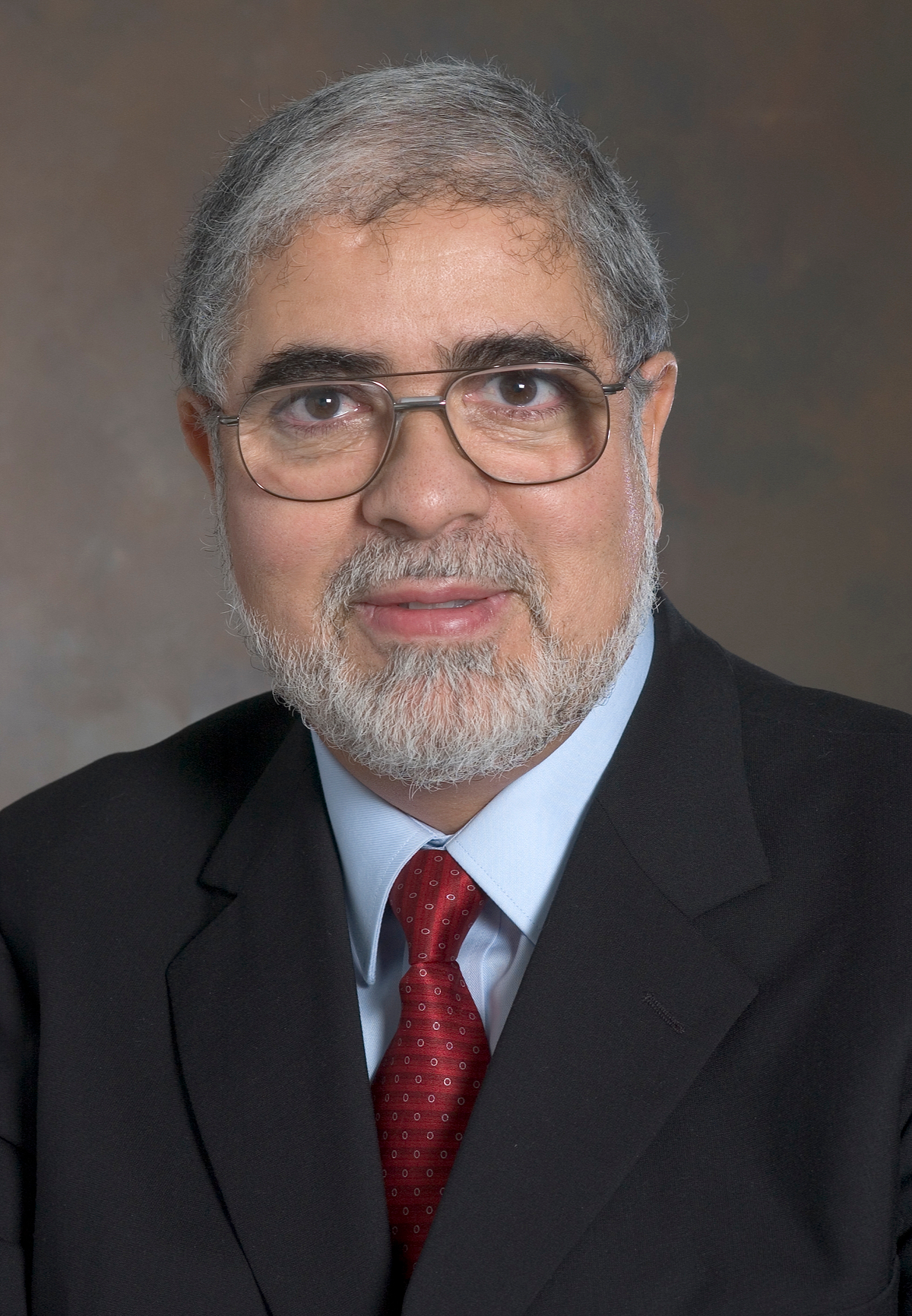
Mustafa A.G. Abushagur voted out as Libyan Prime Minister by parliament
Libya
Political
5 min read
Updated By: History Editorial Network (HEN)
Published:
Mustafa A.G. Abushagur, a technocrat with a background in electrical engineering and academic leadership, assumed the role of Libya's first elected Prime Minister following the fall of Muammar Gaddafi's regime. Abushagur faced significant challenges, including restoring stability and rebuilding institutions in a country emerging from a bloody revolution. With a vote of no confidence, the Libyan parliament ousted him shortly after his election, reflecting the volatile political climate and deep-seated divisions within Libya's fledgling democracy.
The parliament's decision stemmed from growing dissatisfaction with Abushagur's ability to form an inclusive government capable of addressing diverse regional and political interests. The vote highlighted the complexities of transitioning from a dictatorship to a democratic system, where stakeholders often had conflicting agendas. This moment was significant in illustrating the fragile state of Libya’s political landscape, as it underscored the difficulty of achieving consensus in a fractured society.
Abushagur's ousting had immediate impacts on Libya's ongoing struggle for stability. It exposed the limitations of the new political system and the urgent need for coherent, unified leadership. Moreover, it underscored the importance of effective governance and the challenges of meeting the high expectations of a population eager for positive change. The rejection of his government signaled the possibility of continued political instability, which could hinder efforts in rebuilding and development.
The parliament vote against Abushagur also shed light on the broader issues facing Libya, including militia influence, regional rivalries, and the struggle for control over oil resources. Libya's economic prospects were closely tied to political stability, and any disruption in governance had the potential to jeopardize the country's economic recovery.
Abushagur's brief tenure as Prime Minister remains a crucial episode in Libya's post-revolution history, reflecting both the aspirations and the struggles of a nation in transition.
#LibyaPolitics #PostRevolution #PoliticalInstability #LibyaRebuilding #MoofLife

Explore the Life Moments of
 AI Twin