Impact of Banu Hilal invasion on North Africa: cultural and social transformations in focus.
Libya
Cultural Transformation
4 min read
Updated By: History Editorial Network (HEN)
Published:
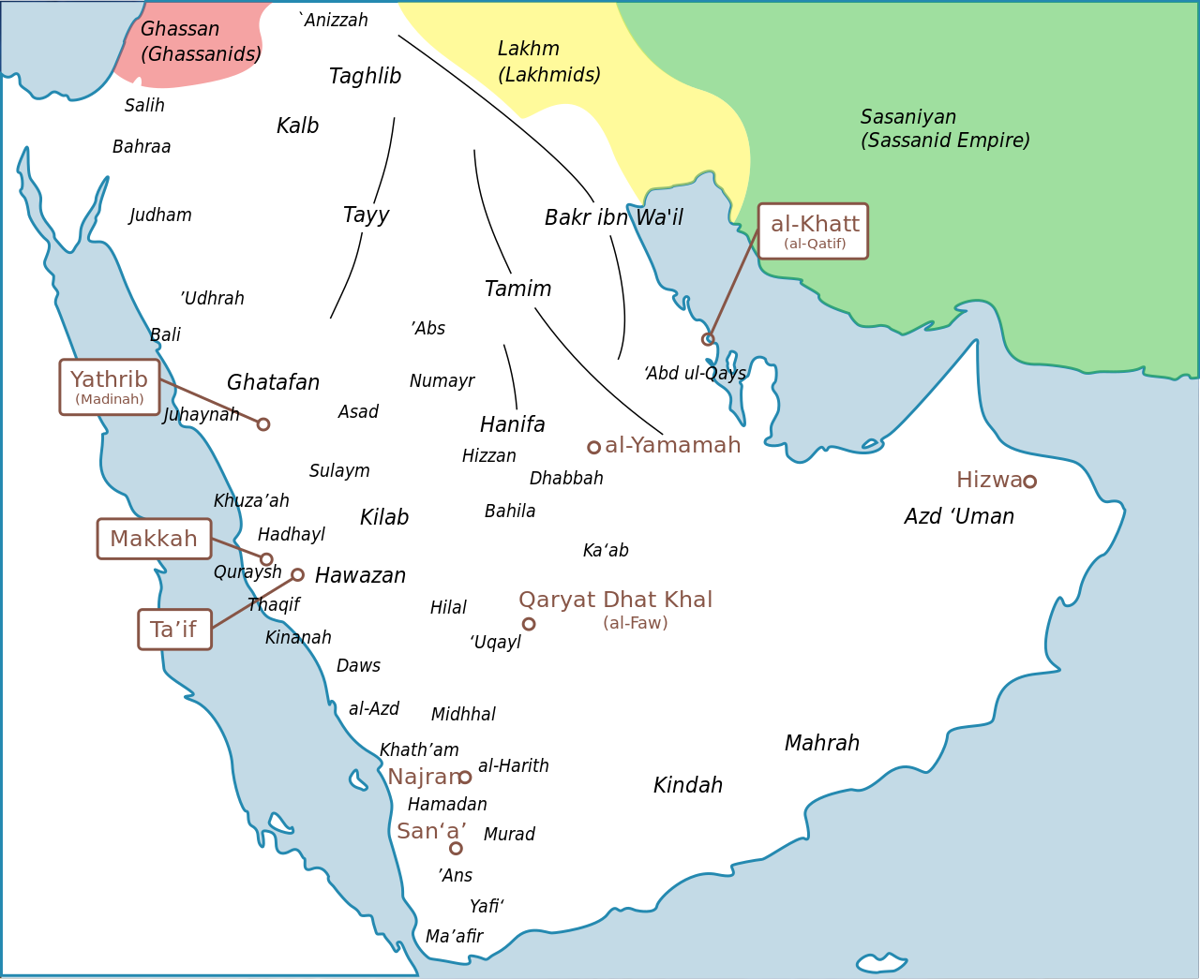
The Banu Hilal invasion of North Africa, including the region now known as Libya, marked a crucial period of transition. The Banu Hilal were a confederation of Arab tribes, originally settled in the Arabian Peninsula. Encouraged by the Fatimid Caliphate, the Banu Hilal migrated westward, seizing the opportunity to claim new territories. This migration aimed to weaken the Zirid dynasty, a vassal of the Fatimids that had shifted allegiance to the Abbasid Caliphate.
As they moved into North Africa, the Banu Hilal's arrival led to widespread disruption. Their entry into Libya and surrounding areas facilitated large-scale displacement of existing Berber communities, altering the demographic landscape. The invasion resulted in significant socio-political changes, as it led to the decline of the Zirid and Hammadid states. The Banu Hilal's movement fragmented established political entities and accelerated the Arabization process in the region, which continues to shape the cultural and linguistic heritage of North Africa today.
Economically, the Banu Hilal invasion impacted agricultural production and trade networks in Libya and neighboring territories. The ensuing instability disturbed local economies, leading to a period of decline before eventual adaptation and recovery. This period also saw a shift in settlement patterns, with Arab nomadic lifestyles becoming more dominant.
From a cultural perspective, the Banu Hilal integration initiated a fusion of Arab and Berber customs, influencing language, art, and daily practices. The loss of political power by Berber entities heralded a gradual cultural assimilation into the Arab-Islamic world, a transformation that was to have long-lasting effects on the region's identity.
#MoofLife #BanuHilal #LibyanHistory #CulturalFusion #Arabization
Primary Reference
Tunisia - Wikipedia

Explore the Life Moments of
 AI Twin