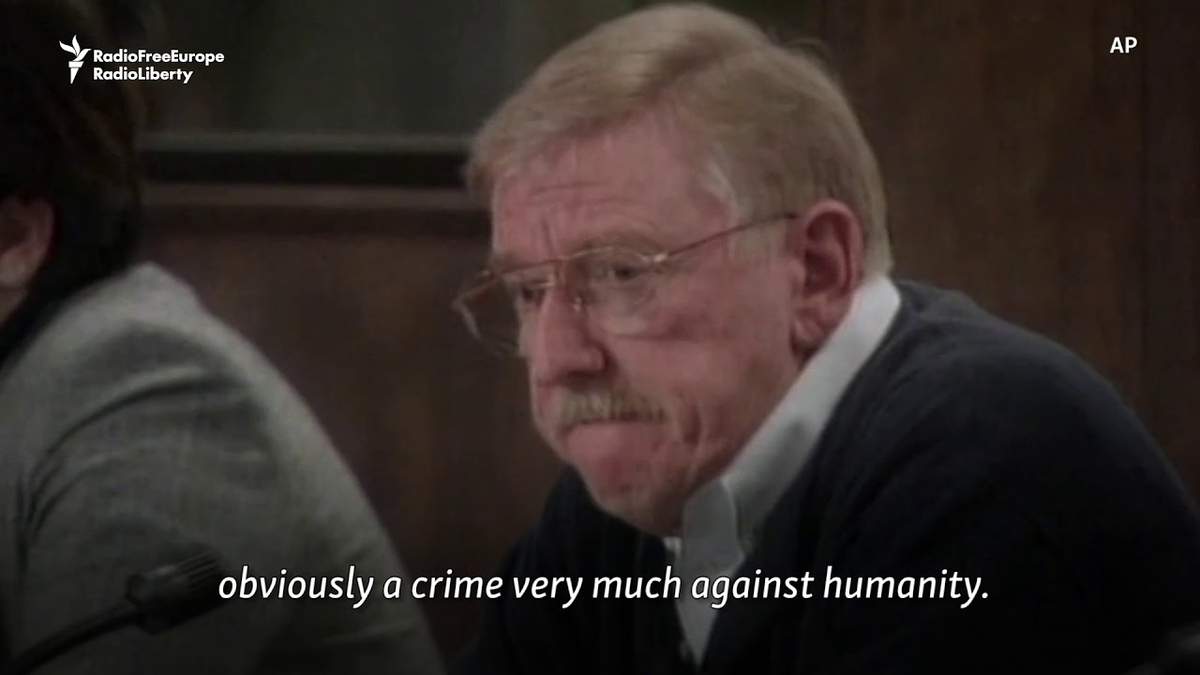
Račak Massacre sparked international intervention in Kosovo conflict, exposing human rights violations.
Political
International Relations
4 min read
Updated By: History Editorial Network (HEN)
Published:
Updated:
The Račak massacre took place during the Kosovo conflict, where escalating tensions between ethnic Albanians in Kosovo and the Serbian government led to violent confrontations. The conflict arose from longstanding ethnic and political disputes within the region, which saw Kosovo Albanians seeking independence from Serbia. The Kosovo Liberation Army (KLA) grew in prominence, carrying out attacks against Serbian police and military targets.
In the village of Račak, Serbian forces conducted an operation resulting in the deaths of 45 Kosovo Albanians. Witness accounts and subsequent investigations revealed that many of the victims were civilians. This event significantly heightened international awareness and condemnation. Western media coverage of the incident highlighted the brutality of the conflict, leading to an increase in diplomatic activity.
International watchdogs and organizations like the Organization for Security and Co-operation in Europe (OSCE) and Human Rights Watch documented and reported on the incident, prompting a call for accountability. The massacre was a pivotal moment that influenced NATO's decision to intervene militarily in Kosovo, aiming to stop the violence and protect civilians.
In the broader context, the Račak massacre is remembered for its role in spurring international action, reflecting the severe human cost of ethnic conflicts. The event underscored the need for addressing the root causes of such conflicts to prevent future atrocities.
#KosovoConflict #HumanRights #InternationalRelations #NATOIntervention #MoofLife

Explore the Life Moments of
 AI Twin