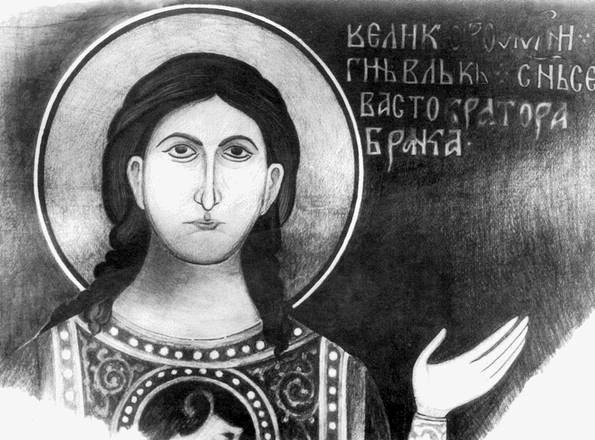
Serbian noble, Vuk Branković, resists Ottoman expansion in the Balkans, leading to regional consequences.
Political
4 min read
Updated By: History Editorial Network (HEN)
Published:
Updated:
Vuk Branković, a Serbian noble who governed a significant portion of Kosovo, resisted the expansion of the Ottoman Empire in the Balkans. His domain and influence made him a critical figure in the regional resistance against Ottoman conquest. Branković’s opposition to the Ottomans was rooted in the desire to retain autonomy and protect Christian lands from the advancing empire.
In the latter part of the 14th century, Branković formed alliances with other Balkan rulers, rallying against the formidable Ottoman military. Despite their collective strength, the Ottoman forces, with their superior tactics, organization, and resources, presented a significant challenge. Branković’s efforts culminated in a decisive confrontation. Notably, during this period, the Ottomans were able to establish strategic pacts with certain local leaders, thus weakening the unified resistance orchestrated by Branković.
The defeat of Vuk Branković's forces marked a pivotal moment in the region’s history. The loss not only diminished Branković’s power but also facilitated the further expansion of Ottoman influence into Kosovo and beyond. The Ottomans solidified their presence, integrating the region into their empire and altering its socio-political landscape.
In the aftermath, many of Branković’s territories were absorbed into the Ottoman domain, leading to a restructuring of local governance. The local populace experienced significant changes in administration, law, and cultural influences as Ottoman customs and regulations were implemented. This period of transition contributed to the long-term shaping of the region, with lasting impacts on the cultural and historical identity of Kosovo.
#MoofLife #KosovoHistory #OttomanEmpire #VukBrankovic #BalkanHistory #MedievalConflict

Explore the Life Moments of
 AI Twin