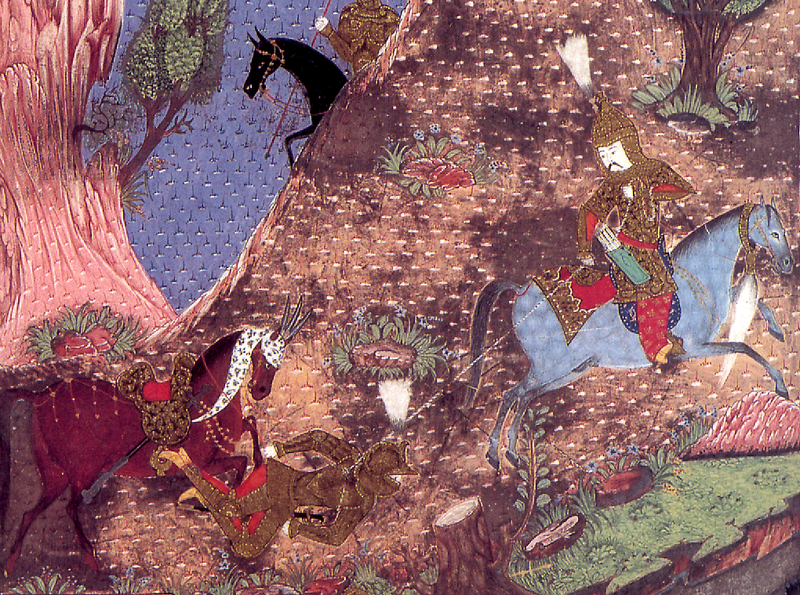
Second Battle of Kosovo: Ottoman victory signifies shift in power in Balkans.
Political
Military
4 min read
Updated By: History Editorial Network (HEN)
Published:
Updated:
The Second Battle of Kosovo saw Hungarian forces under the command of John Hunyadi clashing with the Ottoman Empire led by Sultan Murad II. This confrontation was a significant part of the broader struggle between European Christian states and the expanding Ottoman Empire.
The Kingdom of Hungary aimed to curb the Ottoman advance into the Balkans and reclaim territory previously lost to the Turks. John Hunyadi, a prominent military leader, led the Hungarian army. The Ottomans, determined to consolidate their control in the Balkans, met the Hungarians near Kosovo, a strategically vital location due to its historical and geographical significance.
The ensuing battle stretched over three days. The Hungarian forces, though valiant, struggled against the well-organized and numerically superior Ottoman troops. The Ottoman usage of cannons and superior cavalry tactics played a crucial role in the battle’s outcome. Sultan Murad II's strategic acumen and the discipline of his forces further tilted the scales in favor of the Ottoman Empire.
The defeat of the Hungarian army had far-reaching consequences. It marked a decisive step in the Ottoman consolidation over the Balkans and their eventual dominance in Southeastern Europe. For Hungary, this defeat signified a setback in their efforts to stem the Ottoman tide, impacting their regional influence. The battle underscored the growing prowess of the Ottoman military machine and their capability to subdue European armies.
The Second Battle of Kosovo is often remembered as a critical juncture in the Ottoman-Hungarian conflicts. This period contributed to shaping the political landscape of the Balkans, influencing the region's history for centuries to come.
#MoofLife #History #OttomanEmpire #Hungary #MedievalWarfare #BalkanHistory #Kosovo

Explore the Life Moments of
 AI Twin