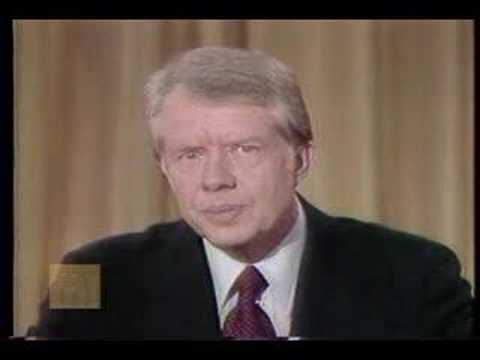
US announces normalization of relations with China
Political
Global Trade
5 min read
Updated By: History Editorial Network (HEN)
Published:
In a pivotal press conference, President Jimmy Carter announced the normalization of diplomatic relations between the United States and the People's Republic of China. This development marked the culmination of several years of strategic diplomatic efforts and careful negotiations, including the groundwork laid by previous administrations.
The normalization of relations represented a significant shift in U.S. foreign policy, moving away from decades of official diplomatic isolation of China since the rise of the Communist government in 1949. This event also followed the earlier steps taken by President Richard Nixon's groundbreaking visit to China, symbolizing a thaw in relations and the beginning of a new era of engagement.
The announcement meant that the United States would formally recognize the People's Republic of China as the sole legal government of China, effectively de-recognizing the Republic of China (Taiwan) as the representative of China. This shift had vast geopolitical implications, notably for the Cold War dynamics, as it sought to leverage the U.S.-China relationship against Soviet influence.
The normalization was agreed upon following secretive, high-level discussions between American and Chinese officials. Key elements of the agreement included the establishment of embassies in each other’s capitals and the promise of increased economic, cultural, and technological exchanges.
This diplomatic breakthrough had an immediate and long-term economic impact. By formalizing relations, the U.S. opened up trade opportunities and facilitated the entry of American businesses into the Chinese market. It also triggered a liberalization process within China, contributing to its economic transformation.
Statistics from the period show a steady increase in trade volume between the two countries following normalization. For instance, U.S.-China trade was reported in just a few million dollars in the initial years, skyrocketing to billions of dollars within a couple of decades, highlighting the momentous nature of this strategic shift.
The success of this diplomatic effort underscored the importance of pragmatic foreign policy in addressing global challenges. It laid the foundation for future cooperation and competition between the two nations, influencing global political and economic landscapes for decades.
#JimmyCarter #USChinaRelations #Diplomacy #ColdWar #GlobalTrade #MoofLife
Primary Reference
Milestones in the History of U.S. Foreign Relations
Explore the Life Moments of
 AI Twin