Signs Emergency Natural Gas Act, declares a Natural Gas Emergency
7 min read
Updated By: History Editorial Network (HEN)
Published:
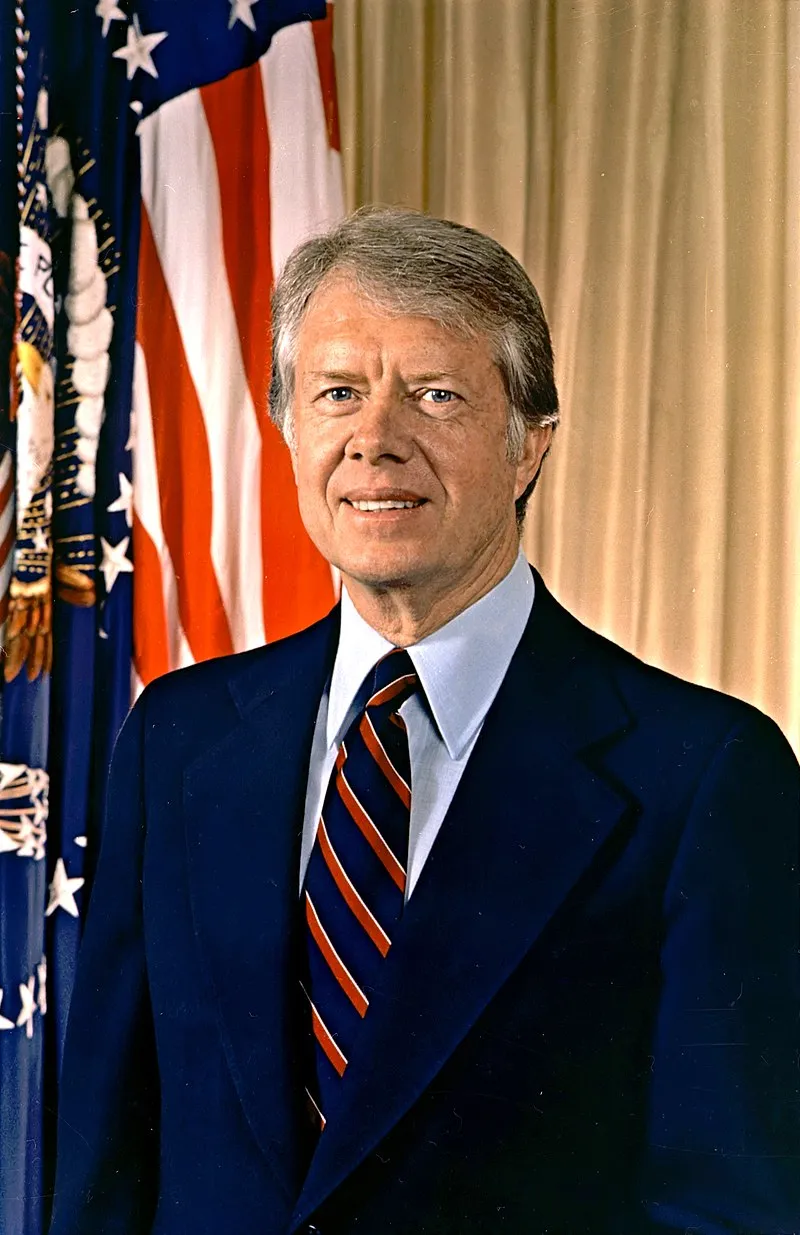
On February 2, 1977, U.S. President Jimmy Carter signed the Emergency Natural Gas Act, marking the beginning of federal intervention to address a severe energy crisis in the country. The winter of 1976-1977 was unusually harsh, with extreme cold weather gripping much of the United States. This led to an unexpected surge in the demand for natural gas, which at the time was a crucial fuel for heating homes and powering industries. However, supply constraints, rooted in regulatory policies and infrastructure limitations, caused significant shortages. The situation quickly escalated into what became known as the "Natural Gas Emergency."
The crisis was particularly acute in the Midwest and Northeast, where freezing temperatures left households and businesses scrambling for warmth. Industries relying on natural gas, especially manufacturing plants, had to curtail or suspend operations. In response, President Carter's administration declared the emergency and worked swiftly to pass legislation that would address the shortfall.
The Emergency Natural Gas Act empowered the federal government to allocate natural gas supplies and prioritize deliveries to areas most in need. It gave the president the authority to impose price controls, lift certain state restrictions, and temporarily bypass regulatory bottlenecks that were worsening the crisis. This act allowed interstate pipelines to redirect gas from areas with surplus supply to regions suffering the most from the shortages. It also authorized industrial shutdowns to conserve gas for residential heating and other critical needs.
Carter’s decision to intervene stemmed from broader concerns about energy security in the United States. Throughout the 1970s, the country faced multiple energy crises, most notably the 1973 oil embargo, which underscored the vulnerabilities of U.S. energy infrastructure and policy. By the time Carter took office in January 1977, the need for a comprehensive energy strategy was urgent. The natural gas crisis only amplified these concerns and solidified energy policy as a key issue for his presidency.
While the Emergency Natural Gas Act was a short-term solution, it laid the groundwork for longer-term reforms that would come later in Carter's tenure, including his ambitious National Energy Plan. His administration sought to address America's dependence on foreign oil, promote conservation, and diversify energy sources by encouraging the development of renewable energy. These efforts ultimately culminated in the creation of the Department of Energy, established in August 1977, which became responsible for overseeing energy policy and ensuring better preparedness for future crises.
The Emergency Natural Gas Act highlighted the delicate balance between energy production, environmental concerns, and the economic realities of fuel demand. Although the act managed to alleviate the immediate crisis, the broader energy challenges Carter faced would continue to shape U.S. policy for years to come. It also signaled the beginning of more active federal involvement in managing energy resources, a trend that would influence subsequent administrations.
#JimmyCarter #EnergyCrisis #NaturalGasEmergency #1977EnergyAct #USHistory #NaturalGas #EmergencyResponse #MomentsOfLife #MoofLife_Moment #MoofLife
Primary Reference
Remarks on Signing Into Law the Emergency Natural Gas Act of ...
Explore the Life Moments of
 AI Twin