White House Statement warns of 'very adverse consequences' if USSR invades Poland
10 min read
Updated By: History Editorial Network (HEN)
Published:
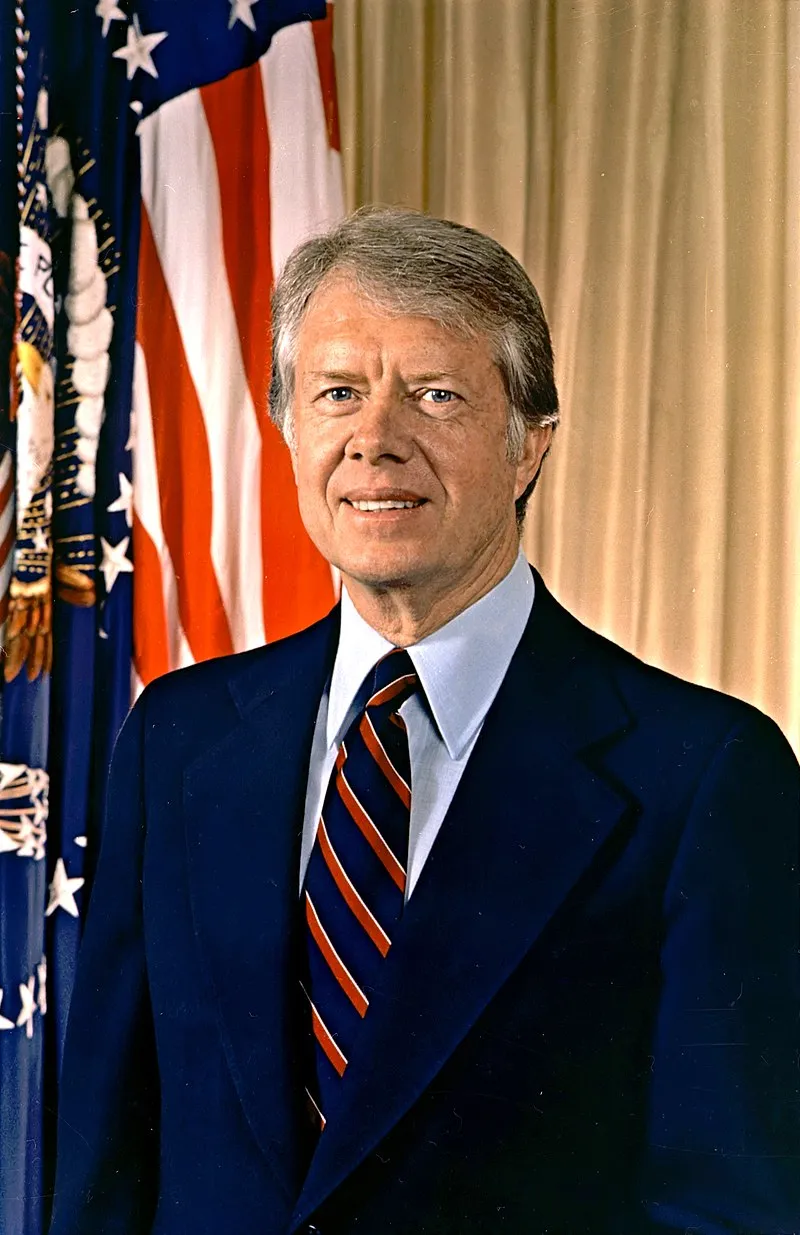
On December 7, 1980, the White House, under President Jimmy Carter, issued a stern statement warning the Soviet Union of "very adverse consequences" if it proceeded with a military invasion of Poland. At the time, Poland was in the midst of a deep political crisis, marked by the rise of the Solidarity movement, an independent labor union that had grown into a powerful social and political force challenging the communist government. Solidarity's demands for workers' rights, political reforms, and greater freedoms posed a direct threat to the Soviet-backed Polish regime, raising fears in Moscow that Poland might break away from the Eastern Bloc.
Context: The Polish Crisis and Solidarity
Poland had been a satellite state of the Soviet Union since the end of World War II, ruled by a communist government loyal to Moscow. However, by 1980, widespread economic hardship and dissatisfaction with the communist system had led to growing unrest among Polish workers. The situation came to a head in August 1980, when strikes at the Lenin Shipyard in Gdańsk, led by Lech Wałęsa, culminated in the formation of Solidarity (Solidarność), the first independent labor union in a Soviet-bloc country.
Solidarity quickly gained massive support, amassing nearly 10 million members within months. It posed a serious challenge to the Polish government, as it not only demanded better economic conditions but also advocated for political reforms and greater freedoms. The Polish government, under General Wojciech Jaruzelski, was caught between Solidarity's demands and the pressure from Moscow to maintain strict control.
By late 1980, the Soviet Union, under Leonid Brezhnev, was increasingly concerned about losing control of Poland and feared that the spread of Solidarity’s influence could spark similar movements across other Eastern Bloc countries. There were strong indications that the Soviet Union was considering military intervention, similar to its invasions of Hungary in 1956 and Czechoslovakia in 1968 to crush reform movements and reassert control.
Carter's Warning
Amid rising tensions and intelligence reports suggesting the possibility of a Soviet invasion of Poland, the Carter administration moved to issue a public warning. The White House statement on December 7, 1980, was a clear message aimed at deterring Soviet intervention. Carter’s administration had already been closely monitoring the situation in Poland and was deeply concerned about the potential consequences of a Soviet military move.
The statement emphasized that a Soviet invasion would have "very adverse consequences" for U.S.-Soviet relations. While the exact nature of the consequences was not specified, it was clear that the U.S. would not tolerate another Soviet military intervention in Eastern Europe. The warning was part of a broader strategy to pressure the Soviet Union diplomatically while signaling support for the Polish people and the Solidarity movement.
The timing of the statement was critical. The Cold War was still in full swing, and U.S.-Soviet relations were already strained due to several major events, including:
The Soviet invasion of Afghanistan in December 1979, which had led to global condemnation and U.S.-led sanctions.
The Iran hostage crisis, where 52 Americans were still being held captive in Tehran, dominating U.S. foreign policy concerns.
Given these existing tensions, Carter’s administration was determined to prevent another major Cold War flashpoint in Poland. The statement reflected a growing concern that Soviet intervention could trigger a wider conflict, further destabilizing Europe and deepening the East-West divide.
The Broader Cold War Context
The threat of Soviet intervention in Poland came at a time when the Cold War was entering a particularly volatile phase. The late 1970s and early 1980s saw increasing military tensions between the U.S. and the Soviet Union, particularly following the breakdown of détente. Carter’s administration had already taken a harder stance against Soviet actions, including boycotting the 1980 Moscow Olympics in protest of the Soviet invasion of Afghanistan.
Poland’s geographical and political significance as a Soviet satellite meant that any Soviet invasion would have far-reaching consequences for both Europe and the Cold War balance of power. Western Europe was watching the situation closely, and NATO was concerned about the potential for instability along its eastern borders.
The Soviet Decision and Aftermath
Ultimately, the Soviet Union did not invade Poland in late 1980, though the threat of intervention remained throughout the early 1980s. Instead of direct military action, the Soviet leadership pressured the Polish government to impose martial law, which it did in December 1981, effectively crushing the Solidarity movement and suppressing dissent without direct Soviet military involvement.
The Carter administration’s warning may have contributed to the Soviet Union’s decision to hold off on an invasion. The Soviet leadership was already facing international isolation due to its actions in Afghanistan, and a military move into Poland would have likely led to further diplomatic and economic sanctions, especially from the West.
Although martial law in Poland succeeded in temporarily quelling opposition, Solidarity would re-emerge in the late 1980s, playing a key role in the eventual downfall of the communist regime and the broader collapse of the Eastern Bloc.
#ColdWar #JimmyCarter #USSR #PolandCrisis #SolidarityMovement #SovietUnion #ForeignPolicy #USHistory #MomentsOfLife #MoofLife_Moment #MoofLife
Primary Reference
Jimmy Carter Event Timeline | The American Presidency Project
Explore the Life Moments of
 AI Twin