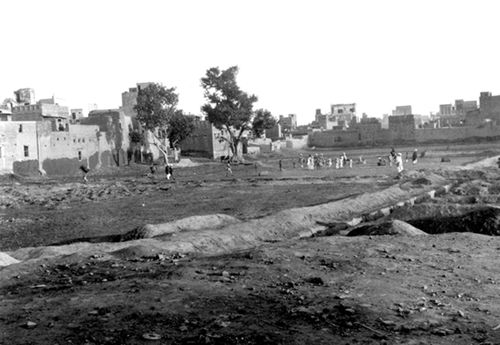
Tragic Massacre at Jallianwala Bagh: Colonial India's Brutal Suppression Sparked Nationalist Outrage
India
Political
5 min read
Updated By: History Editorial Network (HEN)
Published:
In the backdrop of colonial India, the Rowlatt Act had recently been instituted, allowing the British government to imprison any Indian suspected of sedition without trial. This act spurred massive unrest and dissent across the country. In response to the growing opposition, a peaceful gathering took place at Jallianwala Bagh, a public garden situated in Amritsar.
The gathering attracted thousands of people, including unarmed men, women, and children, who were there to protest peacefully. Oblivious to the grim consequences, the crowd convened to discuss the repressive measures and voice their resistance. However, the British military commander, Brigadier-General Reginald Dyer, viewed the assembly as a threat to colonial rule.
Without any warning to disperse, Dyer ordered his troops to open fire on the crowd. The firing continued unabated for about ten minutes, resulting in the death of hundreds and injuring countless others. It is estimated that around 379 people were killed and over 1,200 were wounded, although unofficial reports suggest the figures could be higher.
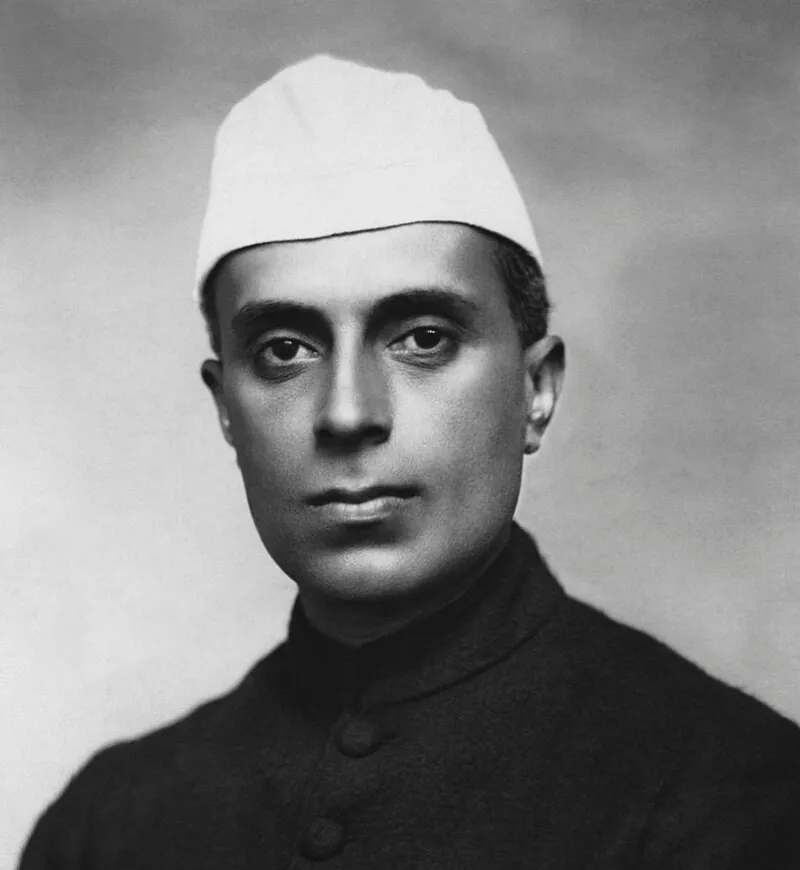
The news of the massacre spread like wildfire across the nation, prompting widespread outrage and a surge in nationalist sentiment. The brutality of the act galvanized Indian leaders and the masses alike, fostering a renewed sense of purpose in the fight for independence. Key figures such as Jawaharlal Nehru condemned the incident, and it spurred Nehru along with other leaders to intensify the struggle against British colonial rule.
The Jallianwala Bagh massacre became a pivotal event in India's history, symbolizing the need for a unified and determined resistance against oppression. It also played a crucial role in the subsequent Non-Cooperation Movement led by Mahatma Gandhi, which aimed at securing complete independence from British rule. The ruthless act at Jallianwala Bagh marked a turning point, deepening the resolve of many Indians to challenge colonial oppression and fight for their nation's sovereignty.
#MoofLife #JallianwalaBaghMassacre #Nationalism #IndianIndependence #JawaharlalNehru #ColonialHistory
Primary Reference
British raj | Imperialism, Impact, History, & Facts | Britannica
Explore the Life Moments of
 AI Twin