Sixteenth Amendment: Strengthening Indian Unity and Sovereignty Through Legal Measures.
India
Political
Legal
5 min read
Updated By: History Editorial Network (HEN)
Published:
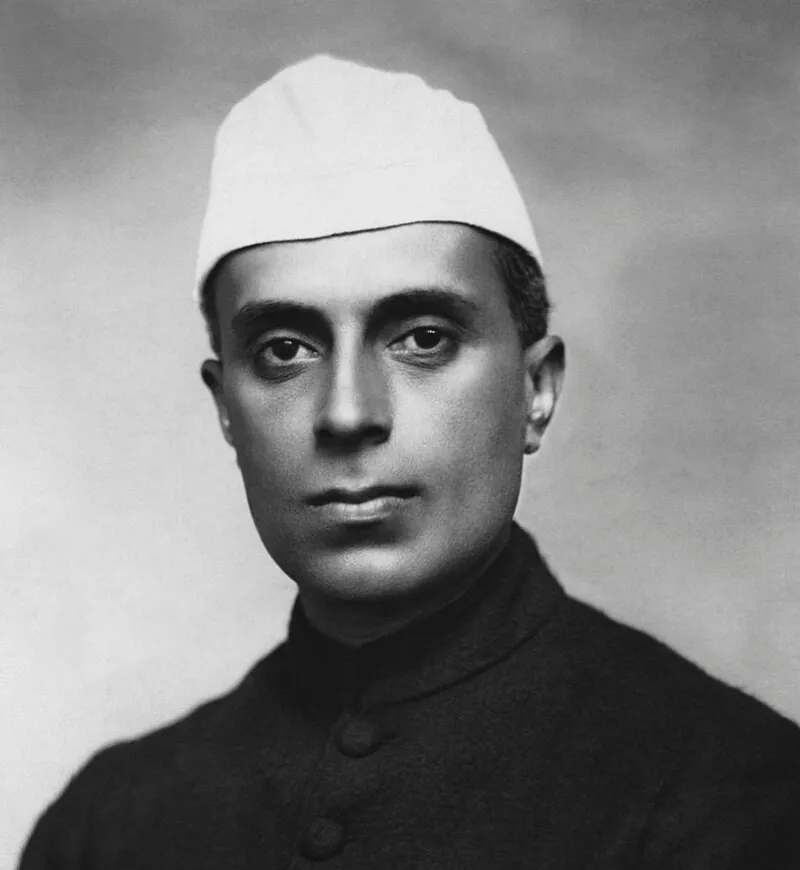
In a critical point in Indian legislative history, Prime Minister Jawaharlal Nehru introduced the Sixteenth Amendment to the Constitution of India. This legal change specifically targeted issues related to national unity and integrity. The amendment made it illegal to demand secession from India and required all officeholders to uphold the nation's sovereignty and integrity.
At this juncture, India was experiencing various separatist tendencies and regional movements challenging the newly-independent country's unity. The amendment aimed to curb tendencies that threatened the sovereignty and oneness of India. By making it unconstitutional to call for a partition and instituting stringent measures to ensure that those in power upheld national integrity, Nehru's government sought to maintain internal stability and reinforce the central government's control.
The amendment introduced several changes including adding the terms "sovereignty and integrity of India" to the expressions that would not enjoy protection under freedom of speech and expression. Furthermore, it imposed sanctions on members of Parliament and state legislatures and public servants who did not conform to these norms and were seen as opposing the fundamental unity of the nation.
This legislative measure had considerable implications, strengthening legal frameworks against secessionist activities and insisting on the loyalty of public officials to national sovereignty. The incorporation of stringent penalties for the promotion of secessionist activities discouraged detrimental political discourse and actions. Moreover, it solidified the ideological commitment to national unity among India's political leaders and representatives.
Though these amendments were designed to promote national unity, they also sparked debates on the balance between national security and personal freedoms, and the extent to which the government could limit speech and political activity in the name of safeguarding sovereignty.
#IndianConstitution #NationalUnity #PoliticalLegislation #JawaharlalNehru #IndianHistory #MoofLife
Primary Reference
book-scenes-koed-2023.pdf
Explore the Life Moments of
 AI Twin