India's Language Decision: Embracing Hindi with English Transition for Unity and Identity
India
Political
Cultural
5 min read
Updated By: History Editorial Network (HEN)
Published:
On January 26, 1950, India made a crucial decision regarding its linguistic future. This decision was deeply intertwined with its cultural and political landscape post-independence. Hindi was adopted as the official language of the Republic, recognizing its widespread use among the population. Recognizing the diversity of India's linguistic heritage, English was also retained as an associate language for a transitional period of 15 years.
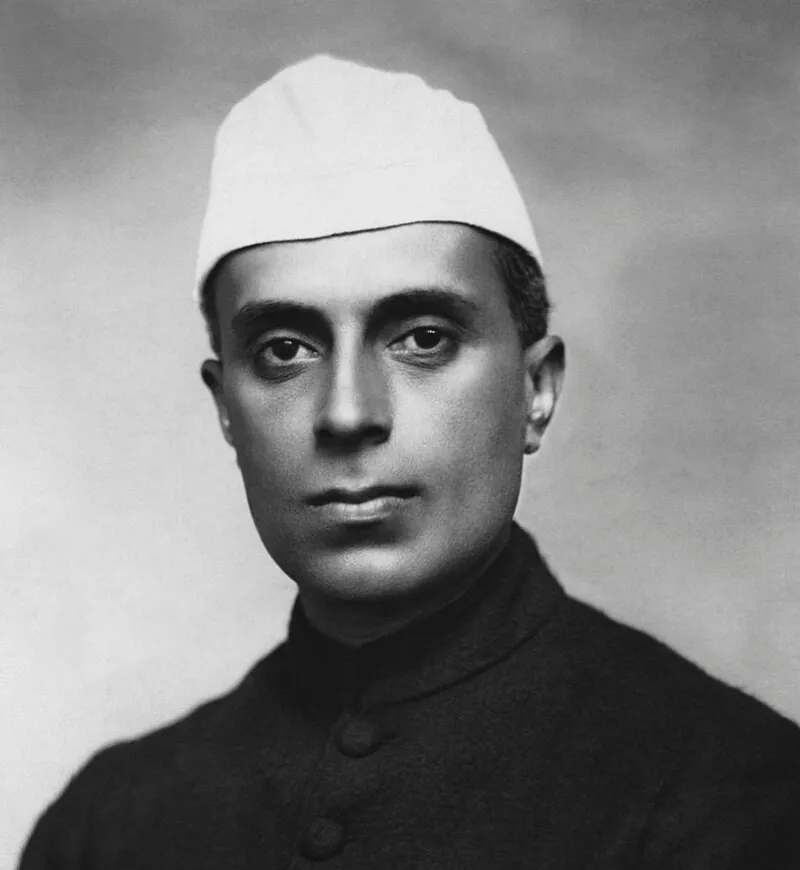
The decision was influenced by Jawaharlal Nehru and the Constituent Assembly, who understood the importance of language in unifying the newly independent nation. Hindi, written in the Devanagari script, had over 40% of the population identifying it as their primary language, making it a logical choice for fostering national cohesion. However, the inclusion of English was a strategic move to ensure smooth administrative and governmental functions while transitioning to the native language.
The adoption of Hindi aimed to promote a sense of unity and national identity, but it also sparked debates and resistance, particularly from non-Hindi speaking regions. States in the South, like Tamil Nadu, voiced concerns about Hindi imposition potentially undermining their own regional languages and cultural identity. This necessitated the inclusion of English as an associate language as a balancing act, intended to ease the transition and allay fears of linguistic domination.
Over the years, English continued to hold significant importance in governmental, educational, and business domains. This prolonged the transitional phase beyond the initially intended 15 years. The bilingual approach reflected India's commitment to embracing its diverse linguistic landscape while striving for effective governance.
Statistically, even after decades, English remains a prevalent link language in India, used extensively in legal, scientific, and technological spheres. While Hindi holds its place as the official language, the pragmatic approach of bilingualism has become a cornerstone of India's linguistic policy.
The linguistic decision of January 26, 1950, highlights India's efforts to balance its rich diversity with the need for a unified administrative framework. It underscores the complexities and compromises involved in shaping a cohesive national identity in a multi-lingual society.
#LanguagePolicy #JawaharlalNehru #LinguisticDiversity #India #Hindi #English #NationalIdentity #MoofLife
Explore the Life Moments of
 AI Twin