Panchsheel Agreement: Foundation of Peaceful Diplomacy in Mid-20th Century Asia
India
Political
Global Trade
5 min read
Updated By: History Editorial Network (HEN)
Published:
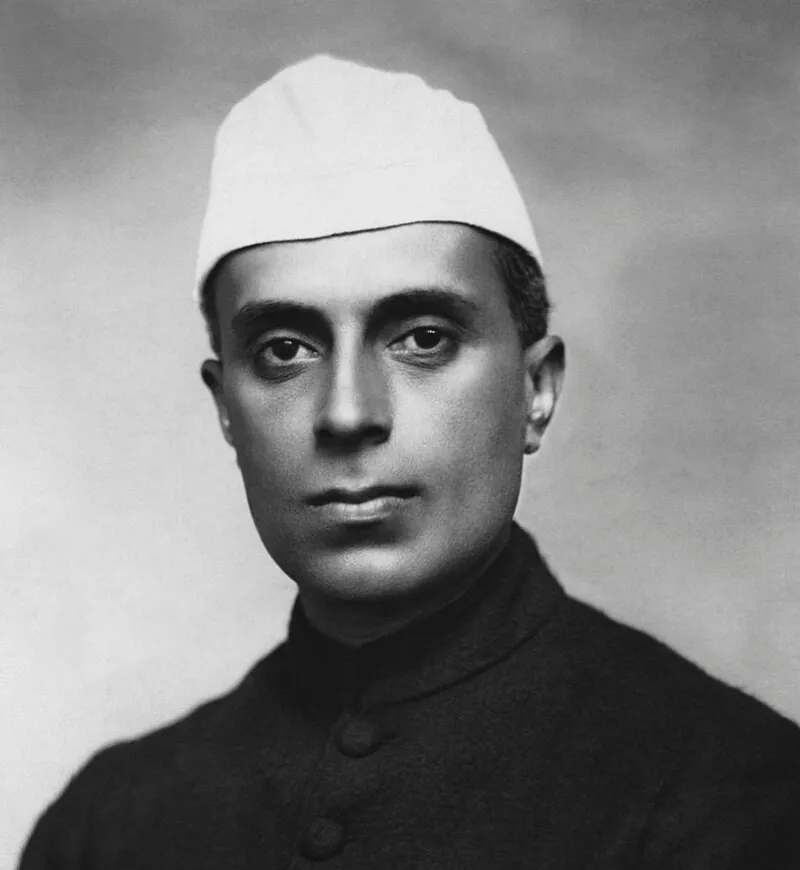
At an important juncture in the mid-20th century, Jawaharlal Nehru, the Prime Minister of India, signed the Panchsheel Agreement with China, which solidified the Five Principles of Peaceful Coexistence. This accord laid the groundwork for post-colonial diplomatic relations between the two Asian giants, which were emerging as sovereign nations after long periods of colonial rule.
The Five Principles delineated in the agreement were: mutual respect for each other's territorial integrity and sovereignty, mutual non-aggression, mutual non-interference in each other's internal affairs, equality and mutual benefit, and peaceful coexistence. These principles aimed to foster a sense of bilateral goodwill and mutual cooperation amidst a global backdrop characterized by the Cold War and decolonization.
The conceptual framework of the Panchsheel Agreement was inspired by ancient philosophies and aimed at ensuring a future where nations could coexist without conflict. By instituting these principles, Nehru and his Chinese counterparts sought to promote harmony, reduce tensions, and establish a framework for a cooperative and supportive relationship. It marked the beginning of a diplomatic approach where newly independent countries asserted their presence on the world stage with a message of peaceful collaboration.
The agreement had a profound impact on international relations. It influenced other countries in Asia and beyond, promoting a model of diplomacy centered around respect and mutual advantages rather than coercion or dominance. The spirit of Panchsheel encouraged non-aligned nations to seek peaceful resolutions and cooperative engagements as opposed to aligning with global power blocs.
However, despite initial optimism, the intended peace and cooperation did not withstand future geopolitical strains, particularly with the Sino-Indian War that followed. Still, the Panchsheel Agreement remains a significant reference in discussions on international diplomacy and the quest for sustainable peace.
By fostering ideals of peaceful coexistence, the Pact had a lasting legacy on the diplomatic ethos of several nations trying to navigate the complexities of Cold War politics and emerging national identities.
#PanchsheelAgreement #PeacefulCoexistence #DiplomaticHistory #Nehru #IndiaChinaRelations #GlobalDiplomacy #MoofLife
Explore the Life Moments of
 AI Twin