Jawaharlal Nehru's pivotal role in India's interim government and path to independence.
India
Political
Leadership
4 min read
Updated By: History Editorial Network (HEN)
Published:
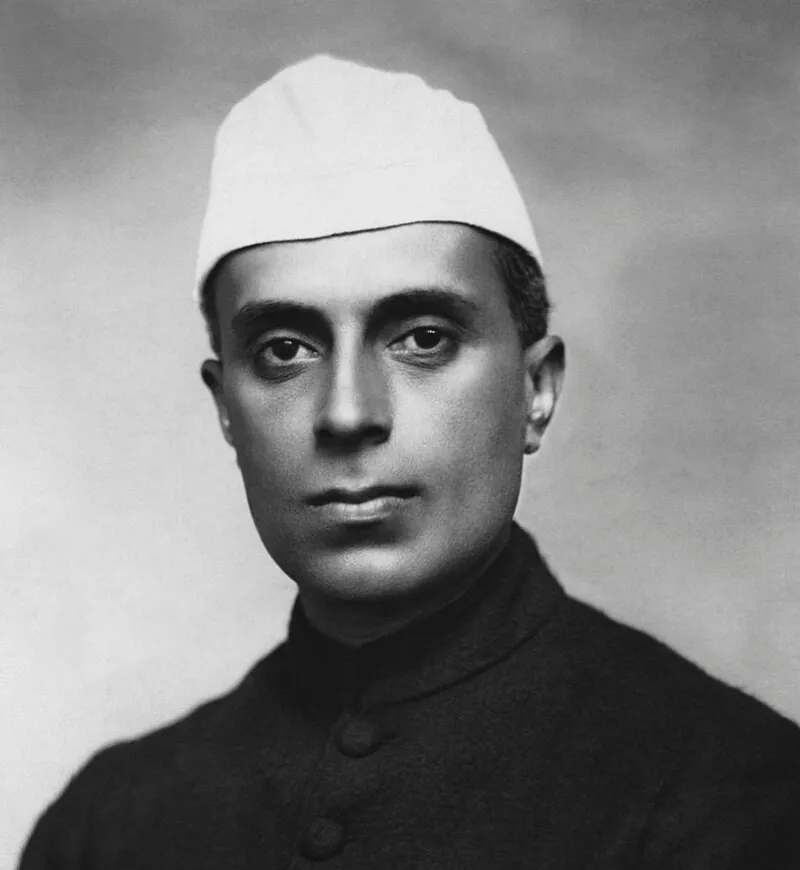
Jawaharlal Nehru was appointed Vice President of the Executive Council in the interim government, a pivotal role during the critical transitional period. The interim government, designed to facilitate the transfer of power from British rule to Indian leadership, marked a step towards India’s independence. Nehru's appointment underscored his prominent position in the Indian independence movement and his leadership within the Indian National Congress.
The Executive Council was crucial for governance and included representatives from major political parties in India, aiming for a balanced and inclusive approach. Nehru's leadership in this role was instrumental in navigating the complex political landscape of the time. His appointment also highlighted his diplomatic skills, as he was expected to work alongside both British officials and Indian leaders, including members of the Muslim League, which had differing visions for the future of India.
Nehru's influence extended to various domains, including domestic policy, international relations, and economic restructuring. The appointment also fortified his status as a key architect of modern India, laying the groundwork for future policies and reforms post-independence.
In this role, he faced challenges like communal tensions and the demand for partition, requiring delicate balancing acts and strategic decision-making. Despite these hurdles, Nehru's tenure in the interim government contributed significantly to the establishment of a framework for independent governance. The period was marked by efforts to achieve political stability and national unity, essential for the nascent nation on the brink of independence.
#MoofLife #JawaharlalNehru #IndianIndependence #Leadership #PoliticalHistory #Governance #ExecutiveCouncil
Primary Reference
Interim Government of India - Wikipedia
Explore the Life Moments of
 AI Twin