Jawaharlal Nehru: Influential Indian leader shaped modern nation, global diplomacy, and democratic values.
India
Political
Global Trade
4 min read
Updated By: History Editorial Network (HEN)
Published:
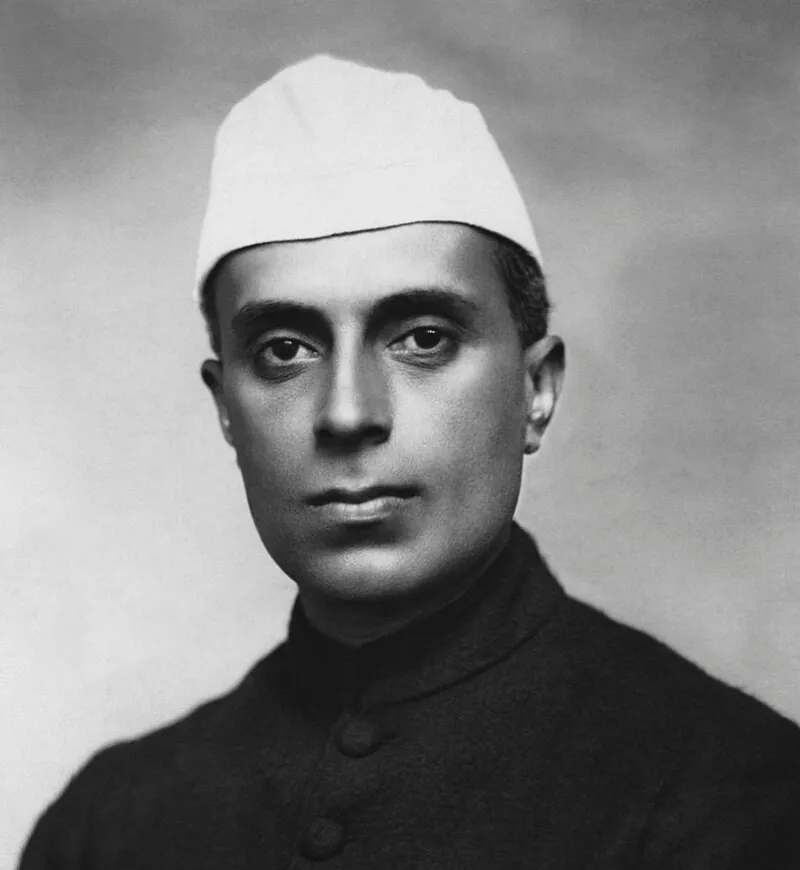
Jawaharlal Nehru, India's first Prime Minister, was included in Britannica's list, "The 100 Most Influential World Leaders of All Time." Nehru's leadership was crucial in shaping post-colonial India. He served as Prime Minister from 1947 to 1964, spearheading India's social and economic transition. Under Nehru's leadership, India adopted a mixed economy, emphasizing both public and private sectors. Nehru’s policies laid the foundations for scientific research and higher education institutions like the Indian Institutes of Technology.
Nehru’s global standing was forged through his role in the Non-Aligned Movement during the Cold War era. This movement aimed to establish a bloc of nations that were not aligned with either the United States or the Soviet Union, advocating for sovereign equality and peaceful coexistence among nations. His vision and diplomatic strategies significantly contributed to India’s neutral stance, which continued to shape its foreign policy.
Britannica recognized Nehru's influence on democratic governance, secularism, and social welfare in India. His promotion of democratic values contributed to the establishment of the world’s largest functioning democracy. Nehru’s focus on secularism helped maintain religious harmony in a diverse nation.
Including Nehru in the list highlighted his contributions to world history and acknowledged his role in shaping a modern nation-state that has had a lasting impact globally. His influence resonates even today in political, social, and economic domains.
#Nehru #Leadership #Influence #India #History #MoofLife
Primary Reference
List of Prime Ministers of India | Britannica
Explore the Life Moments of
 AI Twin