Failed assassination attempt on Nehru underscores threats to political stability; led to improved security measures.
India
Political
Security
4 min read
Updated By: History Editorial Network (HEN)
Published:
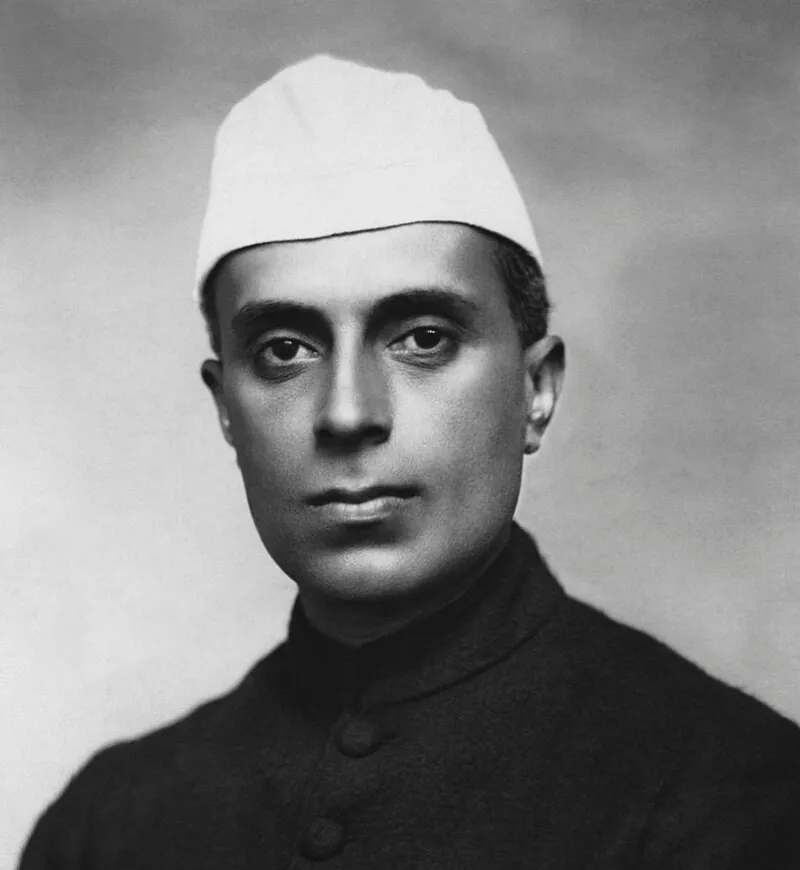
Jawaharlal Nehru, the first Prime Minister of India, who played a crucial role in the country's independence and subsequent development, was the target of a failed bombing attempt. The incident occurred on the train tracks in Maharashtra. The objective of the perpetrators was to assassinate Nehru during one of his train journeys.
The plot was to derail the train by planting explosives on the tracks. If successful, the bombing would have likely caused significant casualties and disrupted the nation’s political stability during a crucial period of development and consolidation post-independence. Fortunately, the attempt was thwarted; the bomb was discovered and defused before it could cause any harm.
This event highlighted the numerous challenges faced by Nehru’s administration, including threats to personal security and political stability. It underscored the lengths to which certain factions were willing to go to challenge his leadership and policies.
The impact of this event was significant, leading to heightened security measures around Nehru and other political leaders. It also spurred the government to improve intelligence and surveillance mechanisms to prevent such incidents in the future. The public response was one of relief, but it also served as a sobering reminder of the ongoing internal threats to the nation’s leaders.
This event is a testament to the turbulent political atmosphere of the time and the resilience of the country's leadership in the face of adversity.
#MoofLife #JawaharlalNehru #Maharashtra #IndianHistory #PoliticalChallenges #Security
Explore the Life Moments of
 AI Twin