Gandhi's Endorsement: Nehru's Leadership in Indian Independence Movement
India

Political
5 min read
Updated By: History Editorial Network (HEN)
Published:
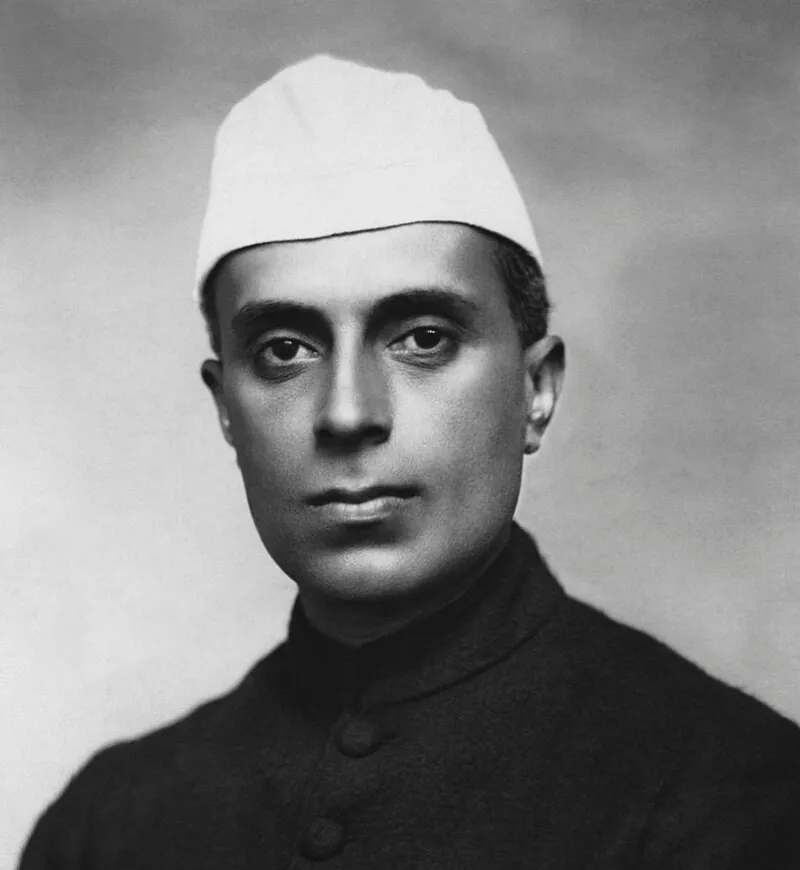
In the early 1940s, the Indian independence movement witnessed a significant event that reinforced the strategic leadership within the Indian National Congress. Mahatma Gandhi, the paramount leader of the Indian nationalist movement, reaffirmed Jawaharlal Nehru as his successor. This reaffirmation came amidst noted ideological and strategic differences between the two leaders.
While Gandhi, with his unwavering commitment to non-violence (Ahimsa) and rural development, often found himself at odds with Nehru’s modernist outlook and inclination towards socialism and industrialization, the mutual respect and shared goal of Indian independence sustained their relationship. Gandhi’s declaration was pivotal in ensuring a united front within the Congress leadership at a critical juncture in the freedom struggle.
Nehru’s succession was not merely symbolic; it had profound implications for the future trajectory of India. It solidified Nehru’s position as a central figure in the Congress party and set the stage for his later role as the first Prime Minister of independent India. This move also provided a sense of continuity and stability, reassuring the Congress party and wider nationalist movement of a consistent leadership strategy.
Gandhi’s affirmation underscored his ability to look beyond personal differences for the larger cause of India’s independence. It demonstrated his recognition of Nehru’s vision for a progressive India and his capability to lead a diverse and populous nation in becoming a modern state. This moment also highlighted the inclusive and democratic ethos within the Indian National Congress, permitting diverse viewpoints under a shared leadership structure.
Gandhi’s decision had far-reaching impacts, shaping the political landscape and future policies of independent India. Nehru’s eventual leadership introduced planned economic development, scientific advancement, and non-alignment in foreign policy, which were foundational in the early years of independent India.
This historical decision exemplified the strategic foresight and adaptability of the Indian independence leadership, securing a visionary leader in Nehru who would go on to guide the newly independent nation through its formative years.
#Leadership #IndianIndependence #MahatmaGandhi #JawaharlalNehru #Congress #History #Successor #MoofLife
Primary Reference
INDIA and the UN D TES: - ESTrANgeD DEmOCRACiES
Explore the Life Moments of
 AI Twin