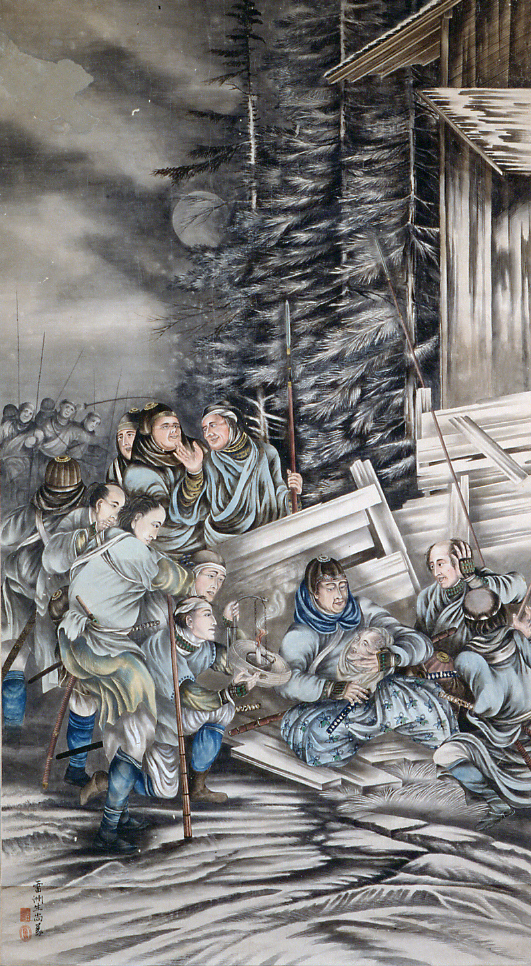
The Forty-Seven Ronin and their Revenge Attack
Japan
Culture
4 min read
Updated By: History Editorial Network (HEN)
Published:
In 1701, a group of 47 loyal samurai known as the Forty-Seven Ronin carried out a legendary attack to avenge their master's death. The story dates back to the 18th century when their master, Lord Asano Naganori, was forced to commit seppuku after an altercation with a court official, Kira Yoshinaka. Asano's loyal samurai were left leaderless and masterless, a grave dishonor in feudal Japan that led them to seek revenge.
The Ronin spent years meticulously planning their attack on Kira's estate. Despite facing immense scrutiny and pressure to surrender, the group remained steadfast in their resolve. In a strategic and methodical strike, they infiltrated Kira's stronghold, killing him and displaying his head at their master's grave. The Ronin then turned themselves in, honoring the code of bushido that dictated their actions.
The attack by the Forty-Seven Ronin captivated the people of Japan, earning them respect and admiration for their unwavering loyalty and sense of justice. While their actions were technically illegal according to the laws of the time, the Ronin were upheld as symbols of honor and sacrifice. The event became a popular tale in Japanese culture, inspiring numerous artworks, plays, and books depicting the loyalty and sacrifice of the Forty-Seven Ronin.
The story of the Forty-Seven Ronin continues to resonate in Japanese society as a tale of righteous vengeance and unwavering loyalty. It embodies the values of honor, duty, and sacrifice that are deeply ingrained in the country's history and culture. The legacy of the Forty-Seven Ronin serves as a reminder of the enduring power of loyalty and the pursuit of justice, inspiring generations to uphold these values in their own lives.
#RoninRevenge #SamuraiLoyalty #FeudalJustice

Explore the Life Moments of
 AI Twin