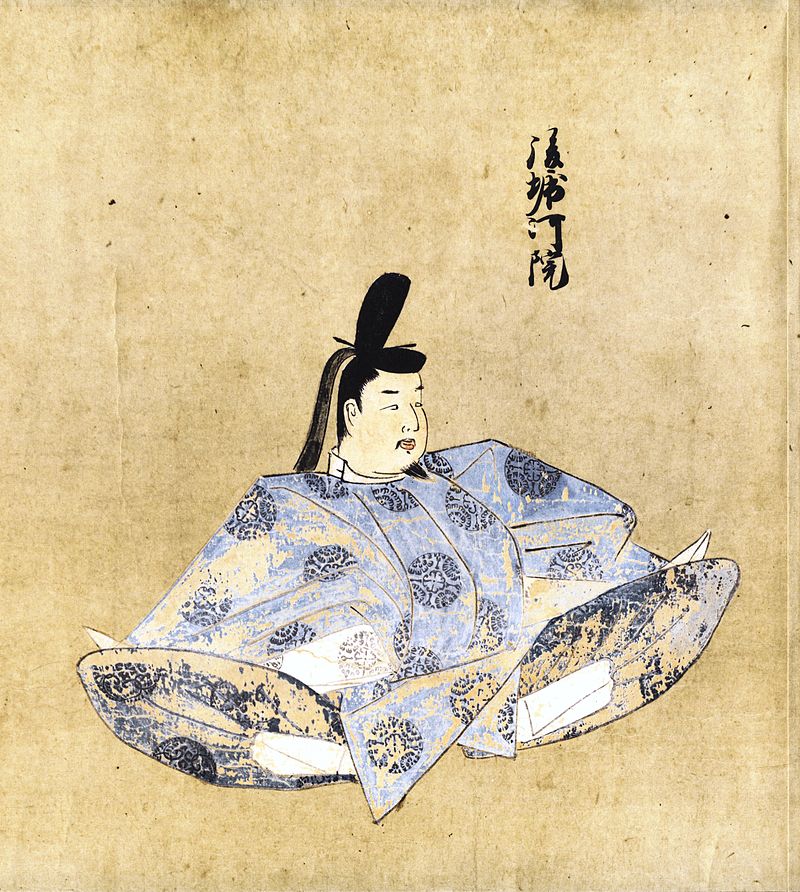
Emperor Go-Horikawa's Ascension to the Chrysanthemum Throne
Japan
Political
3 min read
Updated By: History Editorial Network (HEN)
Published:
Updated:
On 14/01/1222, Emperor Go-Horikawa formally acceded to the Chrysanthemum Throne in Japan, following the abdication of Emperor Juntoku. His accession took place during the early Kamakura period, a time when political authority was largely exercised by the Kamakura shogunate, while the imperial court in Kyoto retained ceremonial and cultural roles. Go-Horikawa’s rise to the throne came in the aftermath of the Jōkyū War of 1221, a conflict in which the retired Emperor Go-Toba attempted to challenge the authority of the shogunate but was ultimately defeated.
As a result of the Jōkyū War, the Kamakura shogunate increased its control over the imperial institution, influencing succession and court decisions. Emperor Go-Horikawa, who was relatively young at the time of his accession, ruled under these conditions of strengthened military oversight. His reign was supported by regents and court officials, while the Hōjō regency in Kamakura maintained decisive political power.
The accession of Emperor Go-Horikawa illustrates the evolving relationship between the imperial court and the military government during the 13th century. While the emperor continued to serve as the symbolic head of state, the events surrounding his rise reflected the consolidation of authority by the shogunate following the suppression of imperial resistance.
#JapanHistory
#EmperorGoHorikawa
#ChrysanthemumThrone
#KamakuraPeriod
Primary Reference
History of Japan

Explore the Life Moments of
 AI Twin