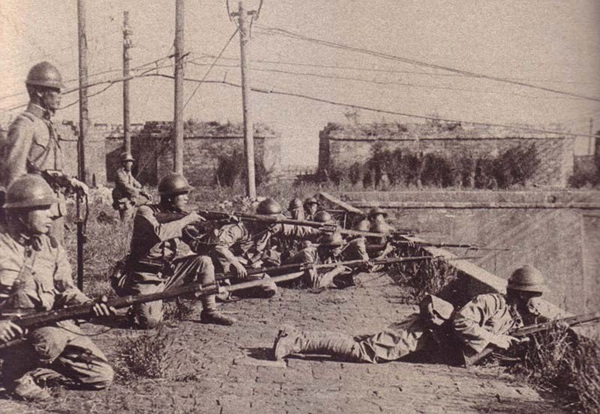
Manchuria Invasion: Japan's East Asia Expansion
Japan
Political
4 min read
Updated By: History Editorial Network (HEN)
Published:
Japan's invasion of Manchuria marked the beginning of its aggressive expansion in East Asia. The invasion was triggered by the Mukden Incident, where Japanese military officers fabricated an attack on a railway as a pretext to occupy the region. This move was condemned by the international community, including the League of Nations, but Japan proceeded to establish the puppet state of Manchukuo.
The impact of this invasion was significant, as it demonstrated Japan's willingness to pursue its territorial ambitions through military force. It also set a dangerous precedent for future conflicts in the region. The invasion of Manchuria led to increased tensions between Japan and other major powers, particularly the United States, and set the stage for further aggression in China and other parts of East Asia.
The events in Manchuria also highlighted the ineffectiveness of the League of Nations in preventing acts of aggression by member states. The League's failure to take meaningful action against Japan eroded its credibility and undermined efforts to maintain global peace and security.
In conclusion, Japan's invasion of Manchuria in 1931 marked the beginning of its aggressive expansion in East Asia and had far-reaching consequences for the region and the world. The invasion underscored Japan's disregard for international norms and set the stage for further conflicts in the years that followed.
#Japan #Manchuria #Expansion #Aggression #EastAsia #MukdenIncident #LeagueofNations

Explore the Life Moments of
 AI Twin