Korea under Japanese protectorate
Japan
Legacy
Colonialism
4 min read
Updated By: History Editorial Network (HEN)
Published:
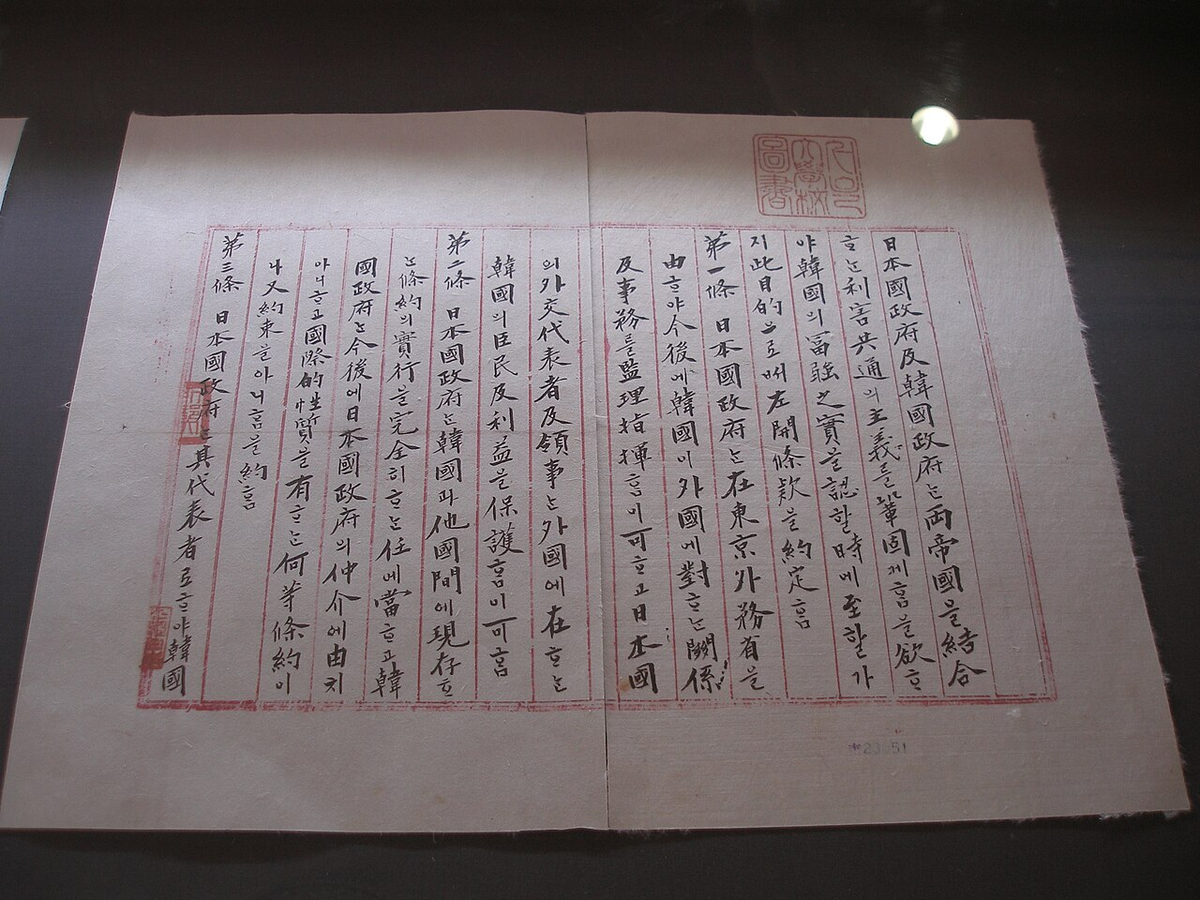
In 1907, Korea officially became a protectorate of Japan after signing the Eulsa Treaty. This marked the culmination of Japan's gradual influence over Korea beginning with the Japan-Korea Treaty of 1876, which opened Korean ports to Japanese trade. The signing of the Eulsa Treaty by the Korean king under duress effectively placed Korea under Japanese control.
As a protectorate, Korea maintained its sovereignty in name only, as Japan held significant power over its foreign affairs and military. The treaty also allowed Japan to control Korea's internal administration through a Japanese resident-general stationed in Seoul.
The impact of Korea becoming a protectorate of Japan was significant, leading to the erosion of Korea's independence and the suppression of Korean culture and identity. Japanese colonial rule in Korea, which began formally in 1910 after the annexation of Korea, lasted until the end of World War II in 1945.
The period of Japanese rule in Korea was marked by cultural assimilation, forced labor, and the suppression of Korean language and customs. Many Koreans were conscripted into the Japanese military or forced to work in factories in Japan during this time.
The legacy of Korea's status as a protectorate of Japan continues to be felt today, with ongoing tensions between the two countries over historical issues. The forced labor and comfort women issues, in particular, remain contentious topics in Japan-Korea relations.
#Japan #Korea #EulsaTreaty #Protectorate #Colonialism #HistoricalLegacy #CulturalAssimilation
Explore the Life Moments of
 AI Twin