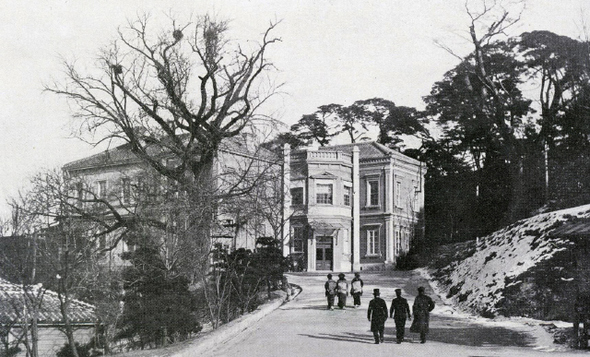
Korea Renamed Chōsen, Governor-General Appointed
Japan
Colonization
4 min read
Updated By: History Editorial Network (HEN)
Published:
Following its victory in the Russo-Japanese War, Japan intensified its colonization efforts in the region. On August 29, 1910, Japan renamed Korea as Chōsen and established a ruthless colonial rule over the newly titled territory. This move marked a significant turning point in the history of Korea, as it stripped the Korean people of their sovereignty and cultural identity.
The appointment of a Japanese governor-general to rule over Chōsen signified the beginning of an era of oppression and exploitation. The colonizers implemented harsh policies aimed at eradicating Korean culture and assimilating the population into the Japanese way of life. Korean language and customs were suppressed, and the education system was revised to instill loyalty to the Japanese Emperor.
The impact of Japan's colonization of Chōsen was profound and lasting. The Korean people faced discrimination and marginalization in their own land, leading to widespread resistance and uprisings against Japanese rule. The oppressive policies of the colonial government fueled a sense of nationalistic fervor among the Korean population, laying the groundwork for the independence movement that would flourish in the coming years.
The establishment of Chōsen as a Japanese colony and the imposition of a governor-general marked a dark chapter in Korean history, characterized by subjugation and cultural genocide. However, it also galvanized the Korean people to fight for their freedom and preserve their identity in the face of adversity. The legacy of Japan's colonial rule continues to reverberate in Korea to this day, serving as a reminder of the importance of national sovereignty and cultural heritage.
#JapaneseColonization #Chōsen #KoreanResistance #CulturalOppression #GovernorGeneral

Explore the Life Moments of
 AI Twin