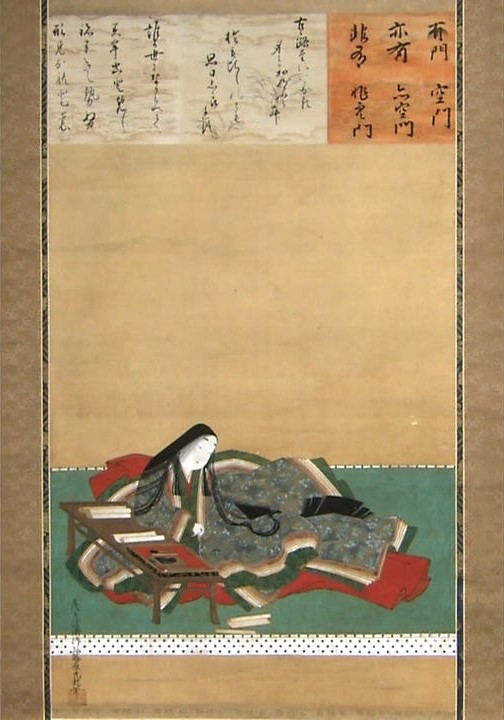
Influential novel by Murasaki Shikibu.
Heian-kyō (Kyoto), Japan
Culture
Literature
3 min read
Updated By: History Editorial Network (HEN)
Published:
Updated:
Around 1009, Murasaki Shikibu, a noblewoman and lady-in-waiting at the Heian imperial court, recorded her experiences in what is now known as The Diary of Lady Murasaki. This period coincides with the years during which she was composing The Tale of Genji (Genji Monogatari), a work widely regarded as one of the earliest novels in world literature. While the novel itself was written over several years, roughly between 1000 and 1012, the diary provides a direct glimpse into the court environment that shaped its themes and characters.
Serving in the court of Empress Shōshi, Murasaki documented daily life among the aristocracy, including ceremonies, social interactions, and literary activities. Her writings reflect the refined culture of Heian-kyō (Kyoto), where poetry, aesthetics, and rank played central roles in court society. These observations closely parallel the setting and emotional tone of The Tale of Genji, which portrays the life and relationships of its central character, Hikaru Genji, within a similarly structured courtly world.
Although 1009 does not mark the publication of The Tale of Genji, it represents a documented moment in which its author was actively immersed in the environment that informed the narrative. The diary stands as an important historical source, offering context for understanding the social and cultural framework behind the novel’s creation.
#TaleOfGenji
#MurasakiShikibu
#HeianPeriod
#JapaneseLiterature
Primary Reference
Murasaki Shikibu Nikki Emaki

Explore the Life Moments of
 AI Twin