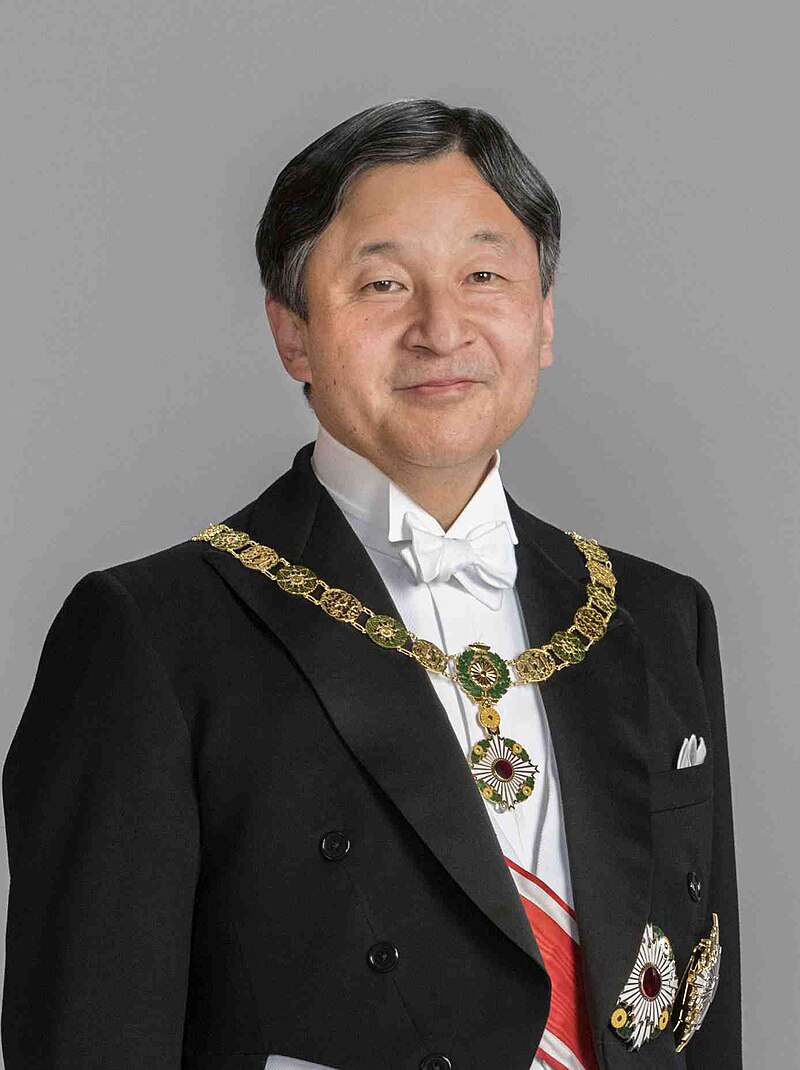
Crown Prince's ascent to Emperor's Throne
Japan
Political
Cultural
3 min read
Updated By: History Editorial Network (HEN)
Published:
Naruhito, Crown Prince of Japan, ascended to the Chrysanthemum Throne as Emperor following the abdication of his father, Emperor Akihito. This marked the first time in over two centuries that a living Japanese emperor abdicated.
Amid ancient rituals and modern celebrations, Naruhito became the 126th Emperor of Japan. The Chrysanthemum Throne holds great cultural and historical significance in Japan, as the imperial family is revered by the people. Naruhito's ascension symbolized continuity and tradition in a rapidly changing world.
The event was attended by dignitaries and royals from around the globe, showcasing Japan's diplomatic ties and its role on the world stage. As part of the ceremony, Naruhito pledged to fulfill his duty as a symbol of the state and unity of the people. This commitment resonated with many Japanese citizens who view the imperial family as a unifying force.
Naruhito's reign brings a mix of tradition and modernity, as he is known for his academic pursuits and efforts to promote global understanding. His wife, Empress Masako, a former diplomat, also symbolizes a new era for the imperial family.
The ascension of Naruhito to the Chrysanthemum Throne represents a pivotal moment in Japan's history, ushering in a new imperial era called Reiwa. With a focus on harmony and peace, the Reiwa era signals hope for a prosperous and united future for Japan and its people.
#Naruhito #EmperorofJapan #ChrysanthemumThrone #ReiwaEra #JapaneseImperialFamily

Explore the Life Moments of
 AI Twin