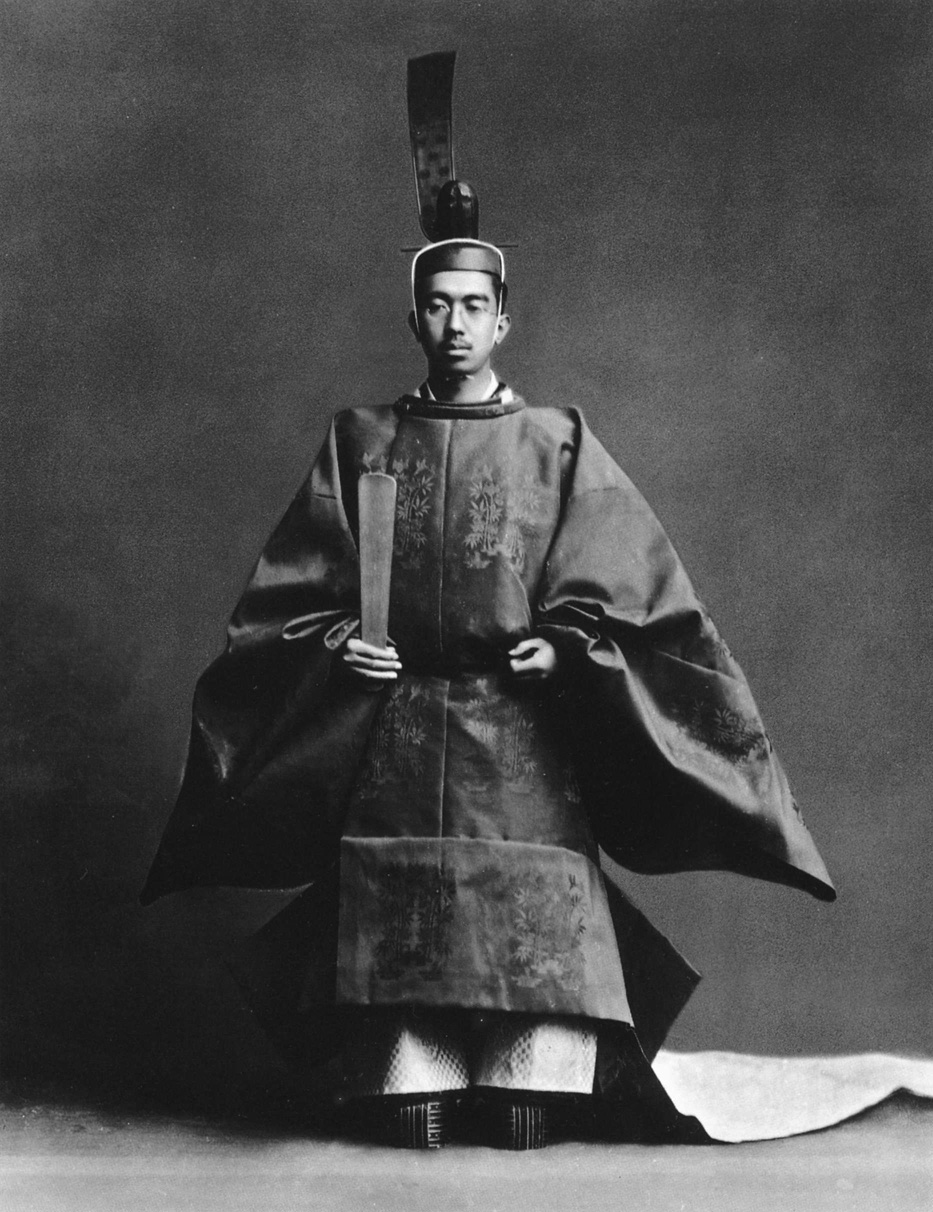
Emperor Hirohito's Coronation Ceremony
Japan

Cultural Heritage
4 min read
Updated By: History Editorial Network (HEN)
Published:
Emperor Hirohito's coronation marked the official ascension of Japan's 124th emperor to the Chrysanthemum Throne. Following the death of his father, Emperor Taisho, Hirohito became emperor. The coronation ceremony, known as Sokui-no-Rei, symbolized the continuity and stability of the imperial institution in Japan.
The coronation took place at the Kyoto Imperial Palace, where Hirohito received the imperial regalia - a sword, a mirror, and a jewel, representing valor, wisdom, and benevolence respectively. The ceremony was steeped in centuries-old Shinto rituals and court traditions, underscoring the divine status of the emperor in Japanese culture.
The event was significant for Japan as it solidified Hirohito's position as a constitutional monarch following the Meiji Constitution of 1889. Despite political tensions and shifts in Japan during this period, the coronation helped reinforce the emperor's role as a symbol of unity and continuity for the nation.
Emperor Hirohito's coronation was not without controversy, as Japan was transitioning into a more modern and democratic society. Some factions questioned the relevance of maintaining a divine emperor in a rapidly changing world. However, the ceremony ultimately served to preserve the centuries-old traditions of the imperial institution while adapting to the evolving political landscape.
In conclusion, Emperor Hirohito's coronation was a milestone in Japanese history, signaling the beginning of a new era under his reign. The ceremony honored Japan's rich cultural heritage and reaffirmed the emperor's role as a unifying figure for the nation. #EmperorHirohito #Coronation #ChrysanthemumThrone #JapaneseHistory
Explore the Life Moments of
 AI Twin