Allied Partnership Formed
Japan
Political
4 min read
Updated By: History Editorial Network (HEN)
Published:
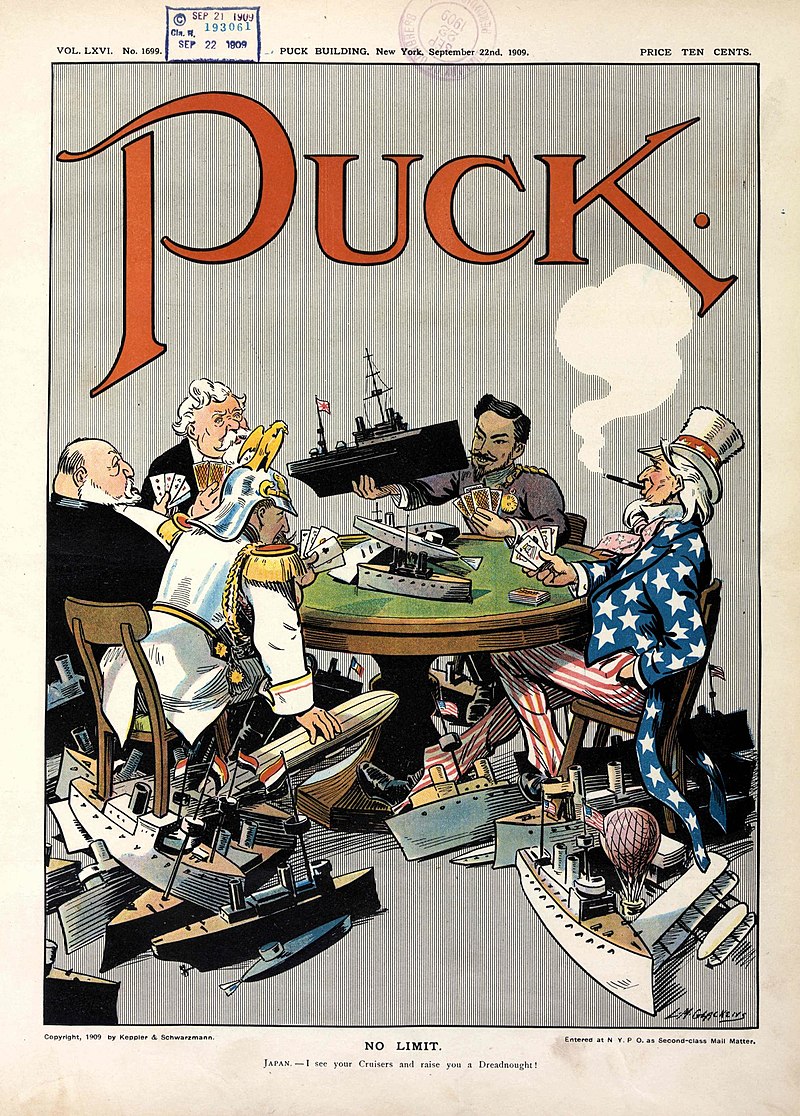
With the outbreak of war, Japan saw an opportunity to expand its influence in Asia and the Pacific. The nation had been experiencing rapid industrialization and imperial ambitions, aiming to increase its power on the global stage. By joining forces with the Allies, Japan aimed to seize German territories in the region.
Japan took advantage of its existing alliance with Britain to swiftly declare war on Germany. The Japanese navy played a crucial role in securing German colonies in East Asia, including Qingdao in China and several Pacific islands. This military action not only bolstered Japan's territorial holdings but also enhanced its international reputation as a formidable military power.
The decision to align with the Allies had significant consequences for Japan's economy and military capabilities. The nation benefited from increased access to resources and markets previously controlled by Germany. Additionally, Japan's military cooperation with the Allies allowed for the exchange of technology and tactics, further strengthening its armed forces.
The event marked a turning point in Japan's geopolitical standing, solidifying its position as a key player in international affairs. By aligning with the Allies, Japan positioned itself as a major power in the post-war world order. This move also set the stage for Japan's expansionist policies in the years to come.
Overall, Japan's decision to join the Allies during the war had far-reaching implications for the nation's political, economic, and military trajectory. It marked a strategic shift that would shape Japan's role in global politics for decades to come.
#JapaneseExpansion #AlliedForces #WorldWarICollaboration

Explore the Life Moments of
 AI Twin