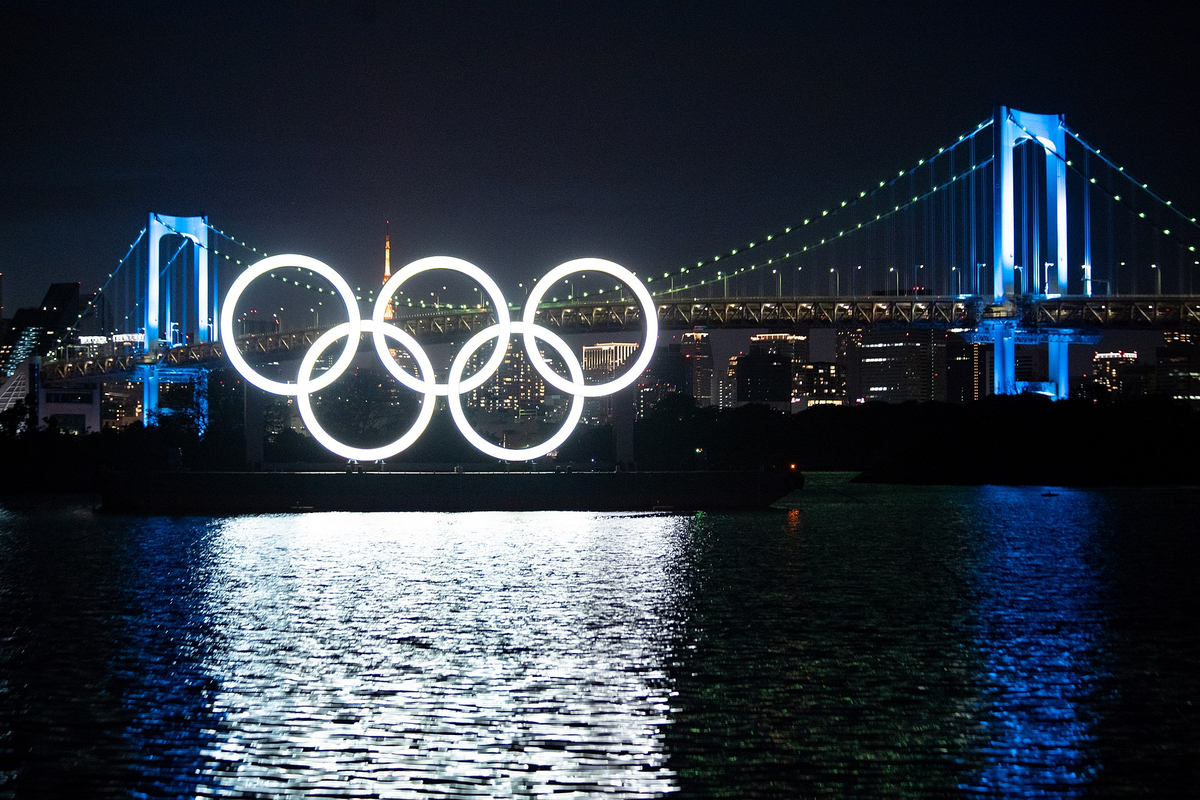
2020 Summer Olympics Hosted in Tokyo
Japan
Sport
Cultural Heritage
4 min read
Updated By: History Editorial Network (HEN)
Published:
In 1964, Tokyo welcomed athletes from around the world for the Summer Olympics. This marked the first time the Olympics were held in Asia. The event was a symbol of Japan's remarkable post-World War II recovery and its return to the global stage as a prominent nation.
The Tokyo Olympics featured innovations like electronic timing and a new design for the Olympic torch. Over 5,000 athletes from 93 countries participated in 163 events across 19 sports. The opening ceremony, held at the National Stadium, showcased Japan's rich cultural heritage with traditional performances.
The Games left a lasting impact on Tokyo, prompting the city to modernize its infrastructure with new highways, subway lines, and hotels. The Shinkansen high-speed train also made its debut, revolutionizing transportation in Japan. The Olympics provided a platform for Japan to showcase its technological advancements and hospitality to the world.
Notable moments from the games include Ethiopian runner Abebe Bikila becoming the first athlete to win consecutive Olympic marathons, and American swimmer Don Schollander winning four gold medals. Japan's own athletes excelled, with judoka Anton Geesink shocking the world by winning the open-weight judo competition.
The Tokyo Summer Olympics of 1964 fostered unity and camaraderie among nations during the Cold War era. The event showcased Japan's resilience and marked a new chapter in the country's history as a global leader in sports and innovation.
#TokyoOlympics #Japan #CulturalHeritage #Innovation #GlobalUnity
Explore the Life Moments of
 AI Twin