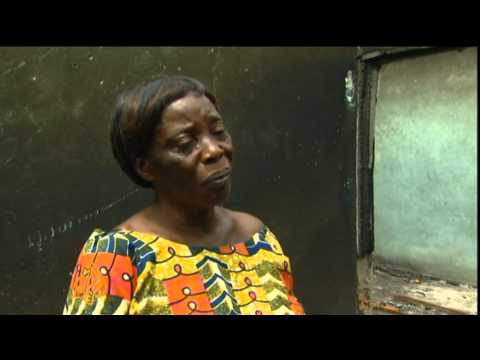
Post-Election Violence Outbreak in Ivory Coast
Ivory Coast
Political
Human Rights
5 min read
Updated By: History Editorial Network (HEN)
Published:
In the West African nation of Ivory Coast, a climate of tension erupted following the announcement of results for the presidential elections. The elections were highly anticipated, as they were meant to bring an end to a prolonged period of instability that had divided the country between the government-controlled south and the rebel-held north. The incumbent president, Laurent Gbagbo, and his main challenger, Alassane Ouattara, were the principal contenders in the race.
When the Independent Electoral Commission declared Ouattara the winner, Gbagbo refused to concede, claiming electoral fraud and urging his supporters to defend his victory. This resulted in a political impasse, leading to a declaration of parallel governments, each supported by different factions within the military and among civilians.
The unfolding crisis sparked a wave of post-election violence, with both sides engaging in armed conflict. The violence resulted in severe human rights violations, including widespread reports of extrajudicial killings, sexual violence, and mass displacement of civilians. Over 3,000 people lost their lives in the violence, with countless others suffering injuries. Cities such as Abidjan, the economic capital, witnessed intense clashes, disrupting daily life and causing significant infrastructural damage.
International organizations, including the United Nations, reported that over one million people were displaced due to the conflict. Refugees fled to neighboring countries like Liberia and Ghana, seeking safety and shelter from the escalating violence. The international community, including the African Union and the United Nations, condemned the violence and called for a peaceful resolution to the crisis.
The impact of the violence left a lasting scar on Ivory Coast's socio-political landscape, underscoring the deep-seated ethnic and political divisions within the country. The goal of the elections—to unify the nation and pave the way for economic progress—was derailed by the ensuing conflict, which also drew in foreign intervention.
Efforts to resolve the crisis included diplomatic interventions and peacekeeping missions, culminating in the eventual arrest of Gbagbo and his subsequent transfer to the International Criminal Court to face charges of crimes against humanity.
#IvoryCoastCrisis #ElectionViolence #HumanRights #RefugeeCrisis #PoliticalConflict #MoofLife
Primary Reference
Presidential Elections. UNOCI Resources - United Nations ...

Explore the Life Moments of
 AI Twin