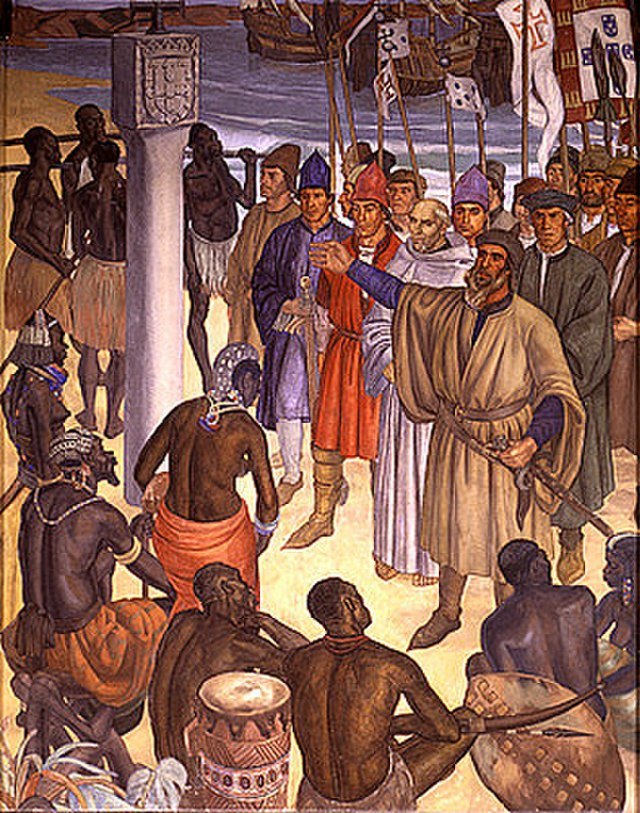
European Explorers First Land on Ivorian Coast
Ivory Coast

Exploration
6 min read
Updated By: History Editorial Network (HEN)
Published:
The arrival of the first European explorers on the Ivorian coast marked a pivotal moment in the history of the region currently known as Ivory Coast. Portuguese sailors, driven by the pursuit of new trade routes and valuable resources, made their landing on the West African coast during this period. Their arrival initiated a series of events that would greatly influence the socio-economic and political landscape of the region.
Historically, the coastal people of Ivory Coast had engaged in trade with other African civilizations, exchanging goods such as gold, ivory, and kola nuts. The European landing introduced new dimensions to these trade networks. The Portuguese, interested particularly in gold and ivory, established trade relations with the local chiefs and merchants. This exchange marked the beginning of increased European involvement which would eventually lead to more structured trading posts and the eventual exploration by other European powers, including the French and Dutch.
The encounters were not merely economic. They had profound cultural repercussions as well. European explorers brought with them new technologies, religious practices, and goods such as textiles and firearms, which gradually began to integrate into local societies. Simultaneously, these interactions exposed European explorers to the rich cultural heritage and diversified societal structures existing in Ivory Coast.
However, the increased European presence also ushered in darker consequences. The burgeoning transatlantic slave trade saw many coastal regions, including those in Ivory Coast, becoming key points in the capture and exportation of African slaves. The social fabric of local communities faced disruption as European demand for slaves grew, altering existing power dynamics and contributing to long-term socio-political instability.
Statistically, the growth of European trade along the Ivorian coast can be tracked through the increase in goods exchanged and the number of European ships trading in the region over subsequent decades. These interactions set a precedent for further expeditions and deeper incursions into the African interior, shaping the future trajectory of the continent.
In conclusion, the arrival of European explorers on Ivory Coast's coast was a complex event that heralded significant economic, cultural, and social changes. Understanding this moment requires a nuanced appreciation of its multifaceted impacts on the local populations and the broader historical currents it helped set in motion.
#MoofLife #EuropeanExplorers #IvoryCoast #CulturalExchange #HistoricalTrade #TransatlanticSlaveTrade
Primary Reference
The Portuguese in Africa, 1415–1600 | Essay | The Metropolitan ...

Explore the Life Moments of
 AI Twin