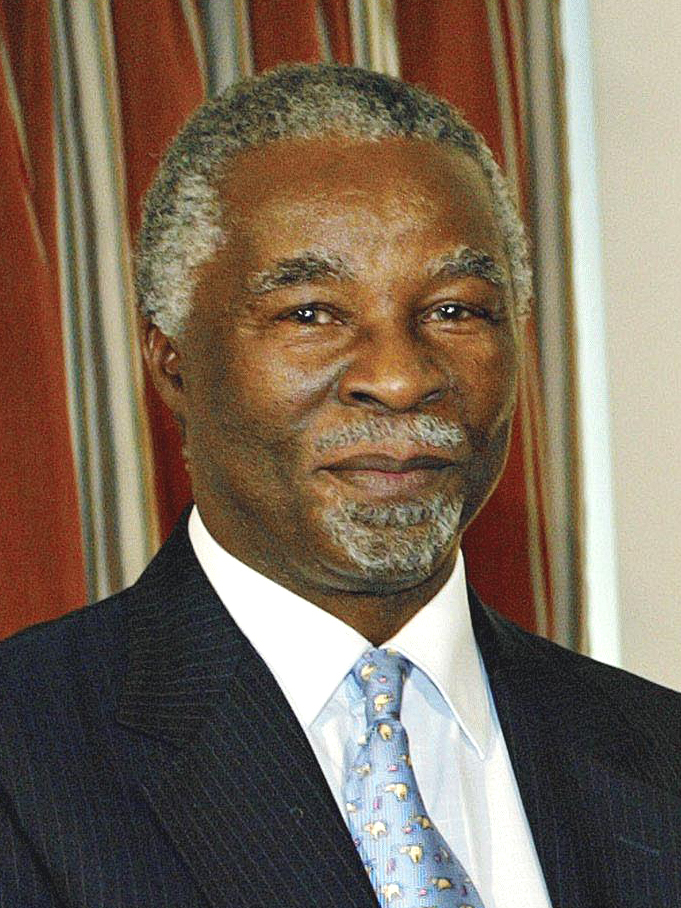
Peace agreement reached in South Africa ending conflict between government and rebels.
Ivory Coast
Political
5 min read
Updated By: History Editorial Network (HEN)
Published:
In a decisive moment for Ivory Coast's conflict, the government and rebel leaders agreed to end hostilities following protracted peace talks held in South Africa. The discussions were mediated by Thabo Mbeki, then President of South Africa, aiming to bring stability to the West African nation. At the heart of the conflict was a power struggle that had polarized the country, leading to a civil war that began in 2002. This period of unrest resulted in significant casualties, displacement, and economic setbacks.
Before the talks, Ivory Coast was divided between the rebel-held North and the government-controlled South. The conflict underscored deep-rooted issues, including political exclusion, ethnic tensions, and economic disparity. Over the course of the war, estimates indicated thousands of deaths and hundreds of thousands displaced internally. Economic activities, particularly cocoa production which is crucial to Ivory Coast’s economy, were severely impacted, affecting global markets.
The peace talks in South Africa were characterized by high-stakes negotiations and external pressures from regional and international bodies. Following the agreement, both parties declared an 'immediate and final end' to hostilities. This cessation of violence came as a relief to Ivorians, representing a step towards national reconciliation and reconstruction.
The international community, including the United Nations and the African Union, viewed the agreement as a significant milestone. Subsequently, efforts were directed towards disarmament, demobilization, and rehabilitation (DDR) of combatants, along with initiatives to facilitate the safe return of displaced populations and the rebuilding of national infrastructure.
However, the road to lasting peace required ongoing commitment from all stakeholders, including adherence to the terms of the agreement and addressing underlying socio-political grievances. Analysts noted that while the cessation of hostilities was a positive development, sustainable peace would depend on genuine efforts at national unity and comprehensive reforms.
This moment in Ivory Coast's history marked a turning point, offering a foundation for peace-building and recovery efforts. Moving forward, the focus remained on ensuring stability and fostering economic growth to prevent a relapse into conflict.
#MoofLife #IvoryCoastPeace #ConflictResolution #SouthAfricaMediation #NationalReconciliation

Explore the Life Moments of
 AI Twin